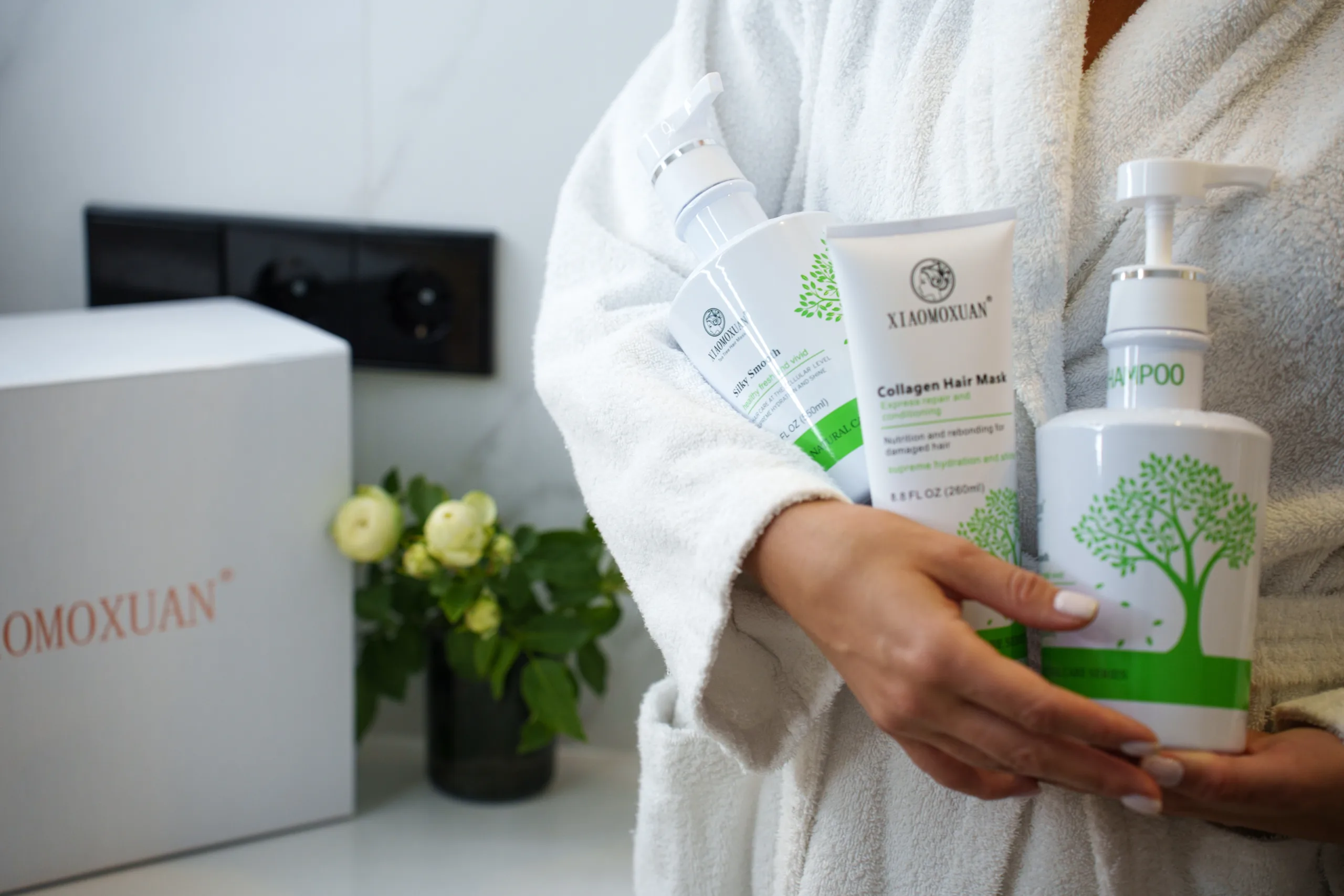
Itching after washing your hair, redness along the parting, a tight feeling that doesn’t fade even an hour later — these symptoms often get blamed on “shampoo allergy,” when the cause is usually more specific: a damaged scalp barrier, which harsh surfactants break down faster than the skin’s natural lipids can rebuild it.
Why does this matter? A sensitive scalp needs natural hair cosmetics that don’t disrupt its protective barrier. Products without sodium lauryl sulfate (SLS) and parabens, such as methylparaben, lower the risk of irritation — especially important for people with delicate skin or a tendency toward dermatitis.
What the skin barrier is, and why sulfates damage it
The scalp is covered by a thin hydrolipidic film — a mix of sebum and water that locks in moisture and keeps irritants out. Sodium lauryl sulfate (SLS) and sodium laureth sulfate (SLES) are anionic surfactants that emulsify not just dirt and excess oil, but the barrier’s own lipids too. The more often you wash with a sulfate shampoo, the thinner that layer gets — and the sooner itching, flaking, or tightness show up.
The role of the scalp microbiome
The scalp hosts its own microflora — bacteria and fungi (including Malassezia) that normally stay in balance. Aggressive cleansing shifts the scalp’s surface pH, giving an edge to opportunistic fungal strains — one of the mechanisms by which washing too often with a sulfate shampoo can worsen a tendency toward dandruff, not just dryness.
Why parabens are a separate issue from sulfates
Parabens (methylparaben, propylparaben) are preservatives, not cleansing agents, and they work differently: they don’t mechanically damage the barrier, but they can build up in the skin with regular exposure. For sensitive scalps, that means a slower build-up of irritation — not right after the first use, but over several weeks of regularly using a product that contains them.
A simple patch test before switching fully to a new product
Before applying a new shampoo or mask all over your head, it’s worth checking your reaction on a small area first:
- Apply a small amount behind the ear or on the inside of your wrist.
- Leave it on for 15–20 minutes, then rinse with lukewarm water.
- Watch the area for 24 hours — redness, itching, or a rash mean it’s best to hold off on using it on your whole scalp.
This step matters especially for sensitive skin, since a reaction to a new formula often doesn’t show up right away, but only after 2–3 uses.
When to suspect irritation from a product, and when it’s something else
Not every scalp discomfort is tied to a cosmetic’s ingredients. It’s worth telling apart:
- Irritation from harsh surfactants: shows up soon after washing, concentrated where the product sat longest (the parting, temples), and fades once you switch to a gentler formula.
- Seborrheic dermatitis or scalp psoriasis: more persistent, with visible flaking or plaques, and not tied directly to a specific bottle — switching shampoo may ease symptoms here, but won’t treat the underlying cause, so it’s worth seeing a dermatologist.
What to look for with a sensitive scalp, in practice
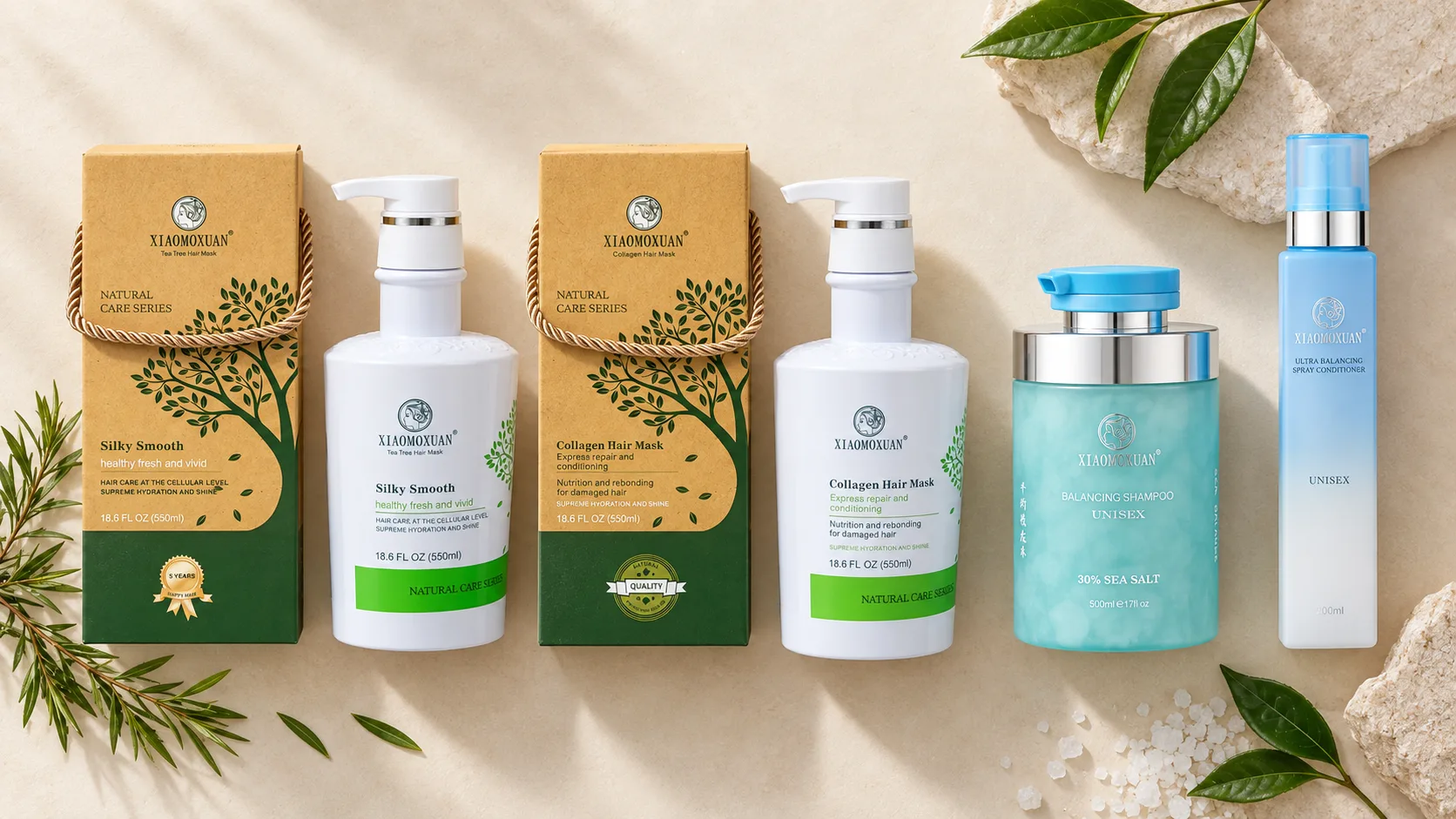
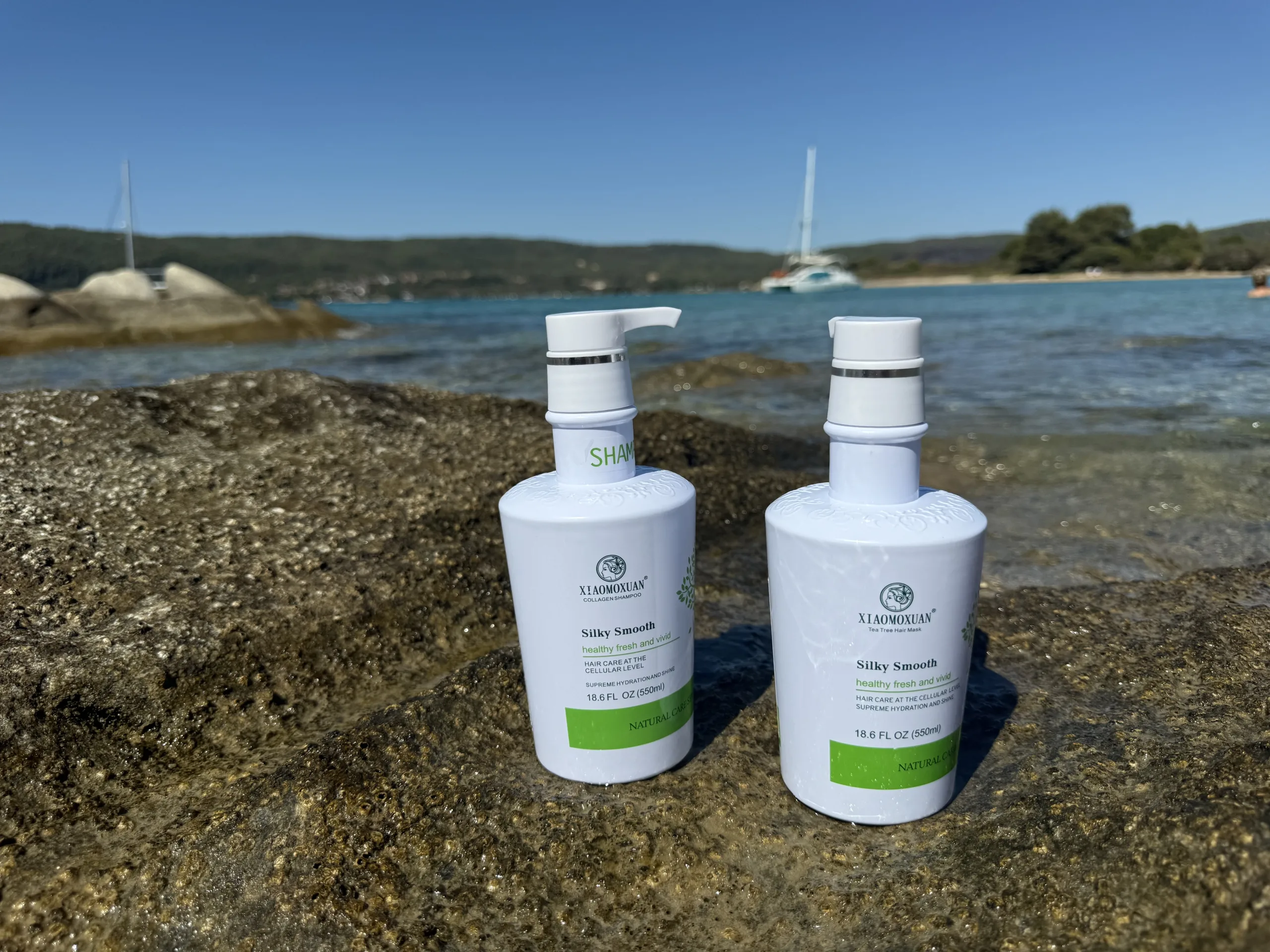
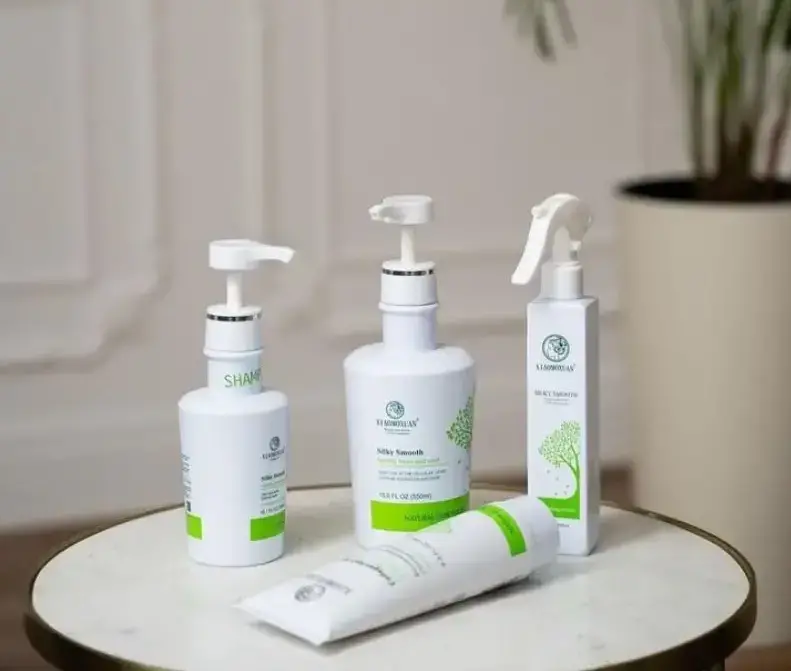
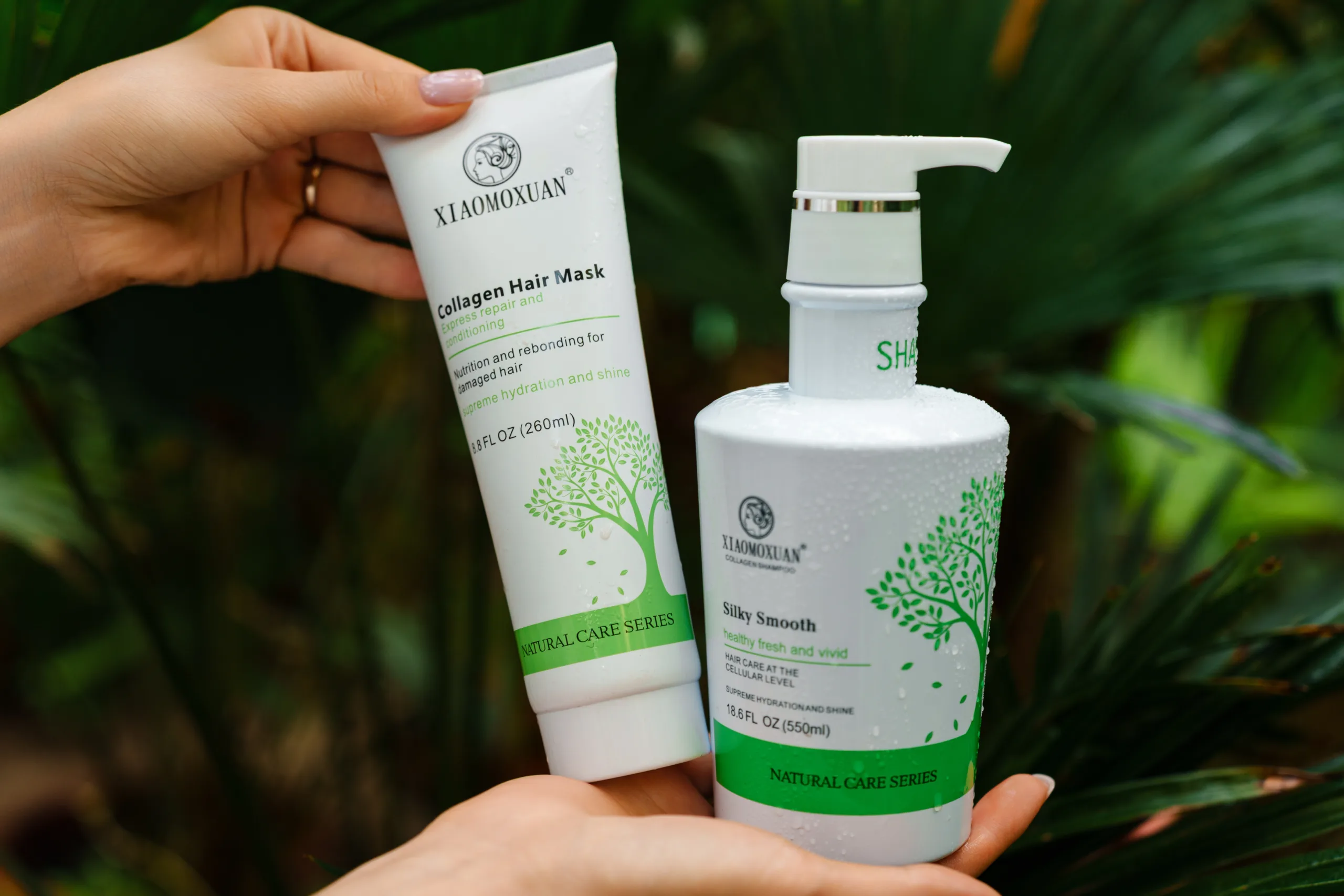
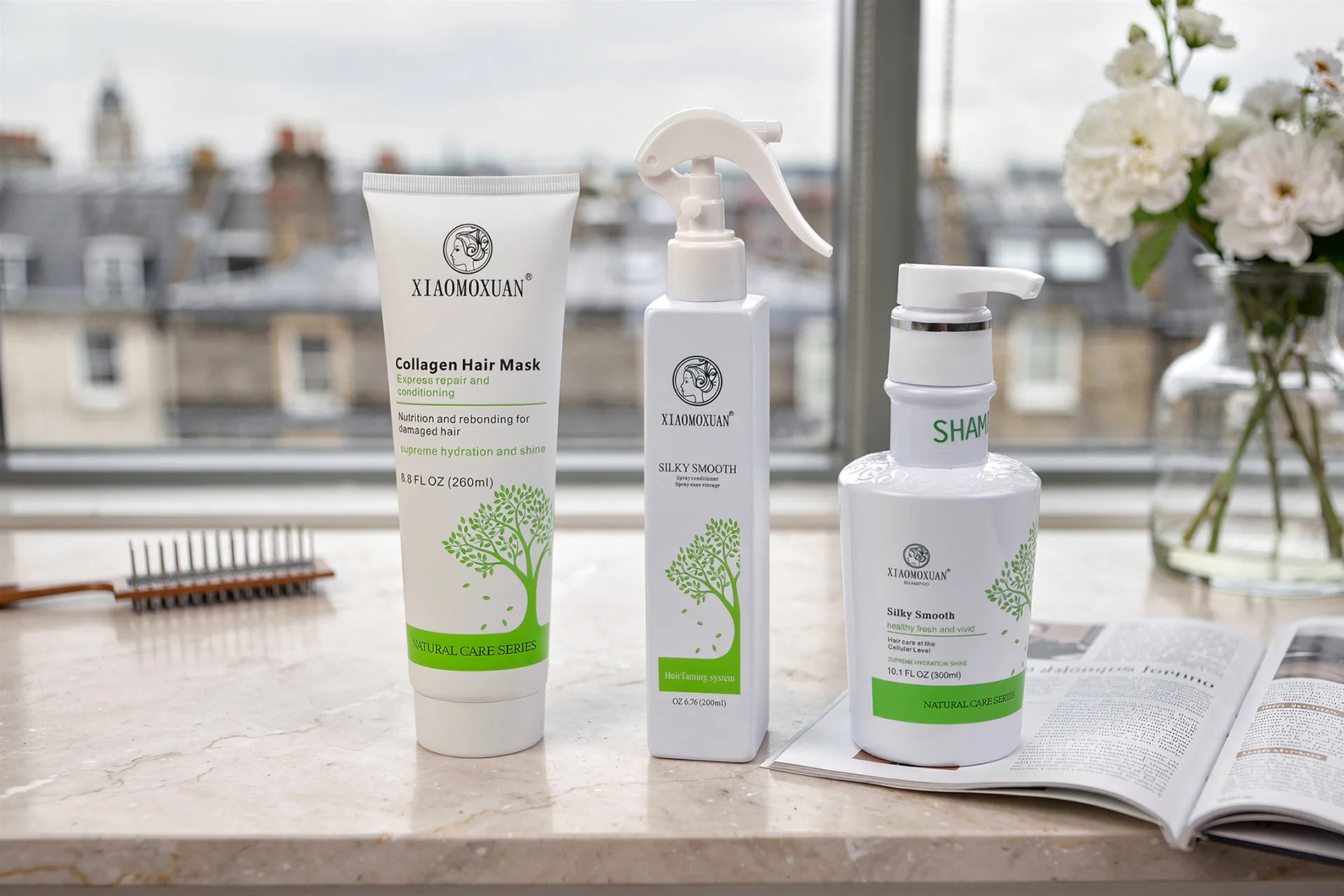
Formulas without SLS, SLES, or parabens, built on mild surfactants (such as Cocamidopropyl Betaine) and soothing plant extracts — like the tea tree extract in Xiaomoxuan Silky Smooth — clean without damaging the hydrolipidic barrier as aggressively as sulfate-based alternatives. That doesn’t mean irritation disappears on day one; the barrier function rebuilds gradually over a few weeks of consistent, gentle care.
Frequently Asked Questions About Sensitive Scalp Care
Why are sulfates especially harsh on a sensitive scalp?
They emulsify not just dirt but the lipids in the scalp’s natural protective barrier, breaking it down faster than it can rebuild — which is what causes the itching and tightness.
How do I know if irritation is really coming from my shampoo’s formula?
If symptoms appear soon after washing and clear up once you switch formulas, it’s most likely a reaction to the ingredients. More persistent symptoms with flaking or plaques call for a dermatologist’s opinion.
Why bother with a patch test before a new shampoo?
A sensitive scalp’s reaction to a new formula often only shows up after a few uses — a 24-hour patch test on a small area helps catch that in advance.
Does sulfate-free shampoo help with dandruff?
Gentler cleansing supports the scalp microbiome’s balance, which can reduce a pH-related tendency toward dandruff, but it won’t replace treatment if the cause is medical.