
Hair doesn’t break all at once. First the ends dry out, then there’s a strange flatness near the roots, and detangling starts taking twice as long. That’s not a coincidence or “just summer” – it’s a specific chemical process happening to the hair cuticle under heat, humidity, and UV.
This isn’t another “what to do this summer” checklist – there’s already one of those on the site. This is about why it happens: what heat actually does to the hair shaft’s structure, why a sulfate shampoo becomes a worse choice specifically in summer, and how hydrolyzed collagen changes things at the molecular level.
What heat actually does to hair structure
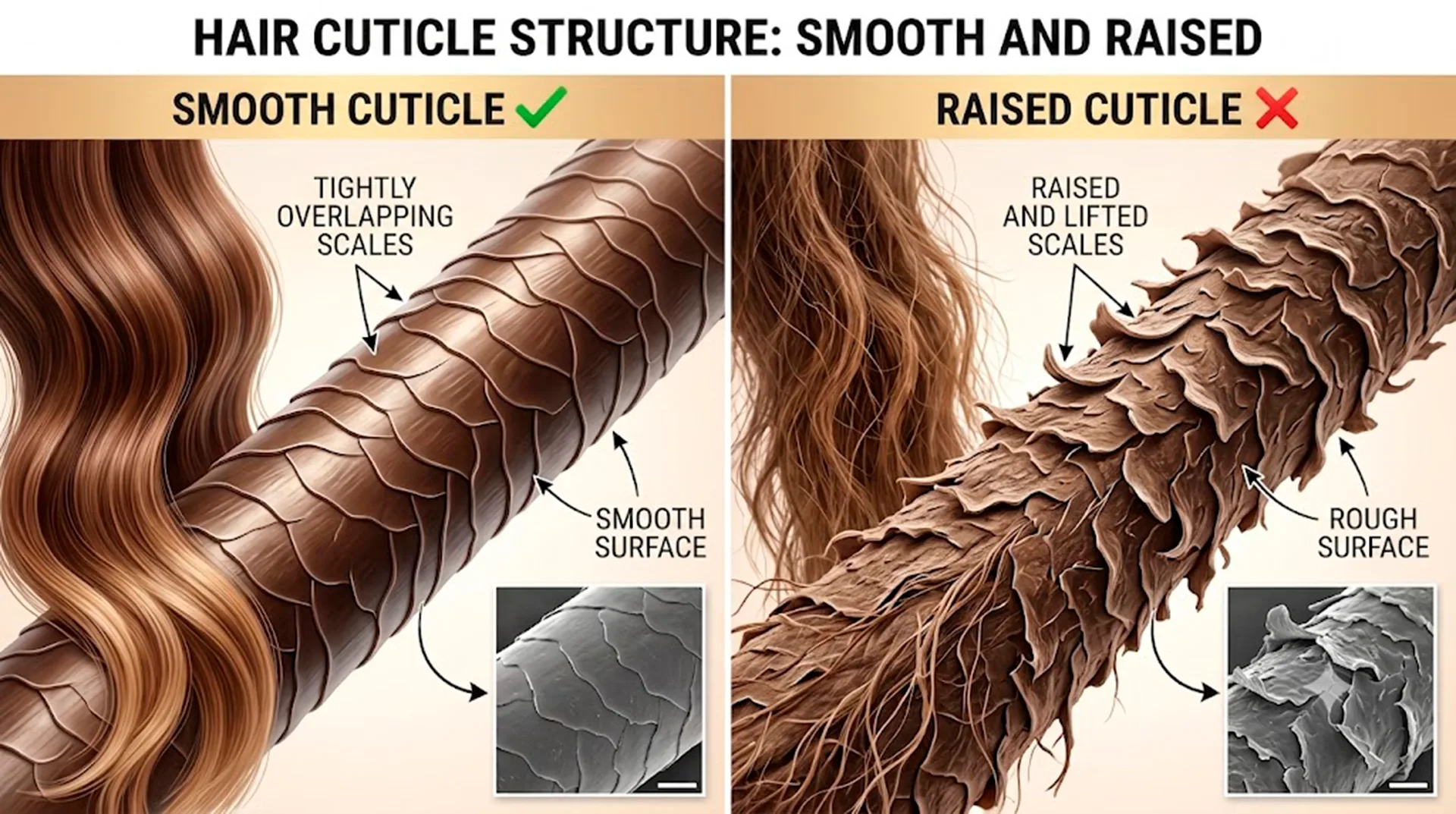
Hair is made of overlapping protein layers – the cuticle. In dry, cool air, these scales lie fairly flat. In heat and humidity, they lift. Once they lift, hair loses moisture faster, absorbs humidity from the air unevenly, and becomes more vulnerable to everyday wear: brushing, towel-drying, being pulled into a ponytail.
Sun exposure adds another layer to this. UV breaks down melanin, but it also oxidizes the proteins in the hair shaft – the ones responsible for elasticity. After a full summer on the beach, hair doesn’t just look lighter. It’s literally weaker than it was back in March.
This isn’t an exaggeration. It’s chemistry.
Why a “moisturizing” shampoo isn’t the fix
Most shampoos labeled “moisturizing” or “nourishing” still contain sodium lauryl sulfate or something close to it. Sulfates are surfactants: they foam and lift dirt. They’re also extremely good at stripping the natural oils the scalp produces to protect hair.
Under normal conditions, the scalp replaces those oils fairly quickly. In a hot climate, where you’re washing daily because of sweat and sea salt, that cycle never finishes. The scalp compensates with extra oil – greasy roots – while the lengths stay dry. That’s not a hair type problem. That’s a product choice problem.
The fix isn’t more conditioner after a harsh shampoo. The fix is a shampoo that doesn’t strip too much in the first place.
What a sulfate-free formula changes
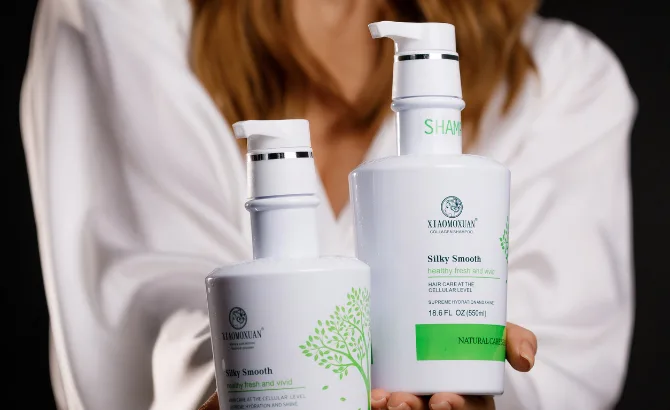
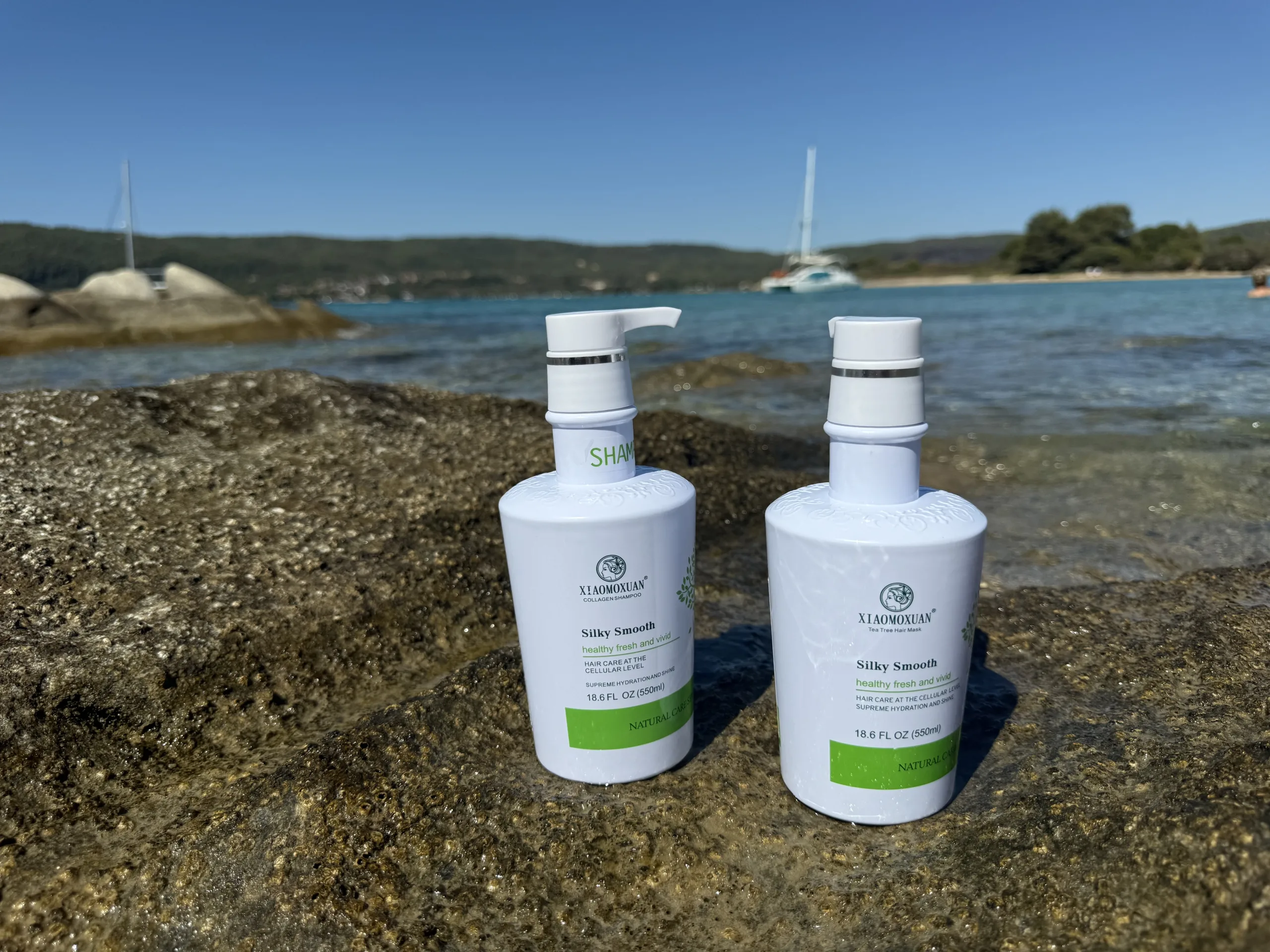
Sulfate-free shampoos use gentler surfactants – cocamidopropyl betaine, sodium cocoyl isethionate, and similar. They clean well without breaking down the lipid layer. In practice: hair stays smoother between washes, the scalp doesn’t overcompensate with extra oil, color lasts noticeably longer, and the ends don’t dry out as fast after washing.
In summer, this matters more than ever. With UV, salt, and heat already stressing the hair shaft, the shampoo formula is the one thing you can actually control every day.
What collagen does for heat-stressed hair
Hair that’s taken heat damage – from sun, styling tools, or both – loses structural protein. The cuticle thins out. Breakage isn’t happening because you’re pulling too hard. It’s happening because the hair simply can’t take the strain it used to handle.
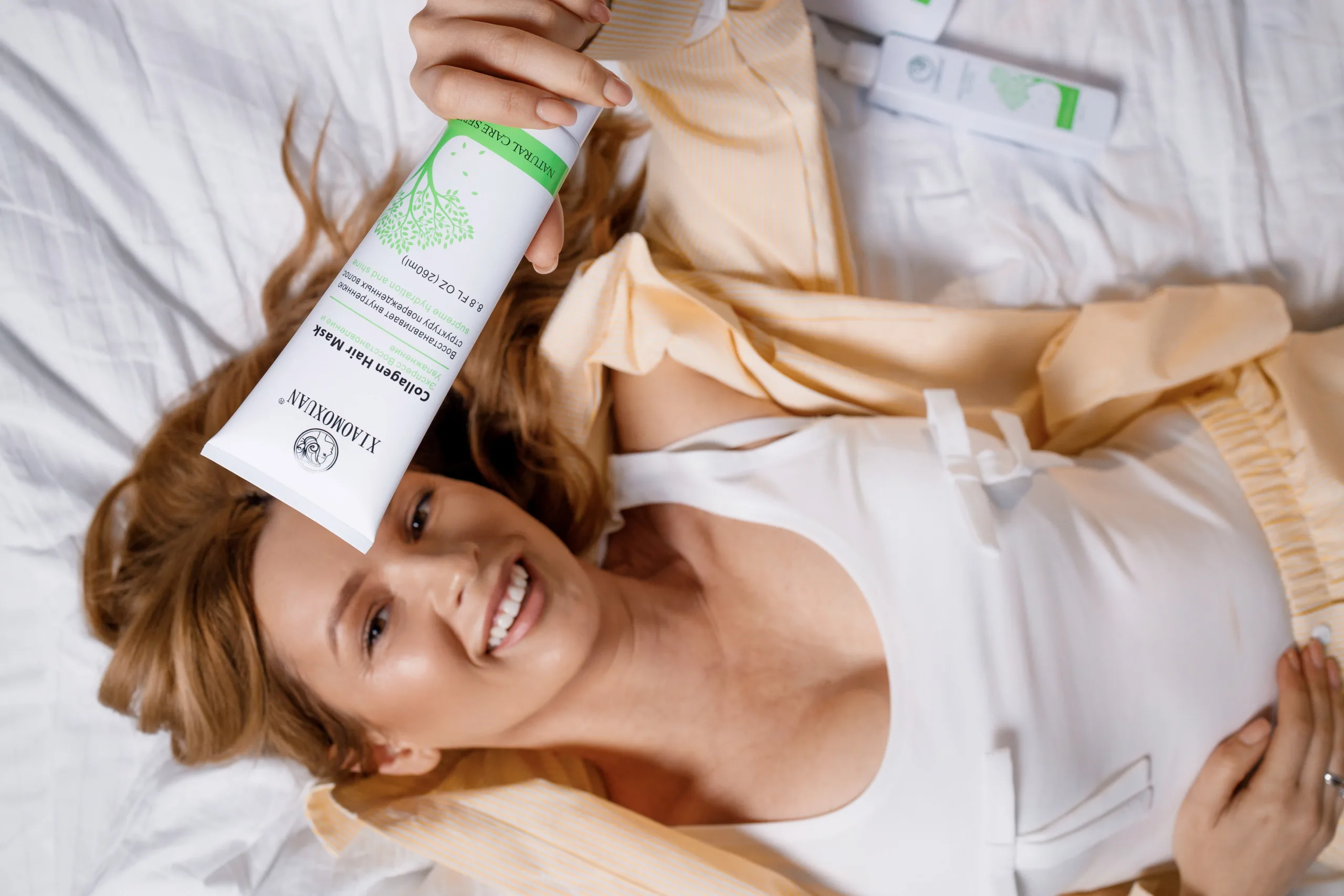
Hydrolyzed collagen has a small enough molecular structure to get into the hair shaft instead of just sitting on the surface. It fills in micro-damage in the cuticle, smooths things out temporarily, and cuts down on mechanical breakage. It doesn’t “repair” hair the way ads like to claim – hair is dead tissue, it can’t regenerate. But it does noticeably change how hair holds up under stress.
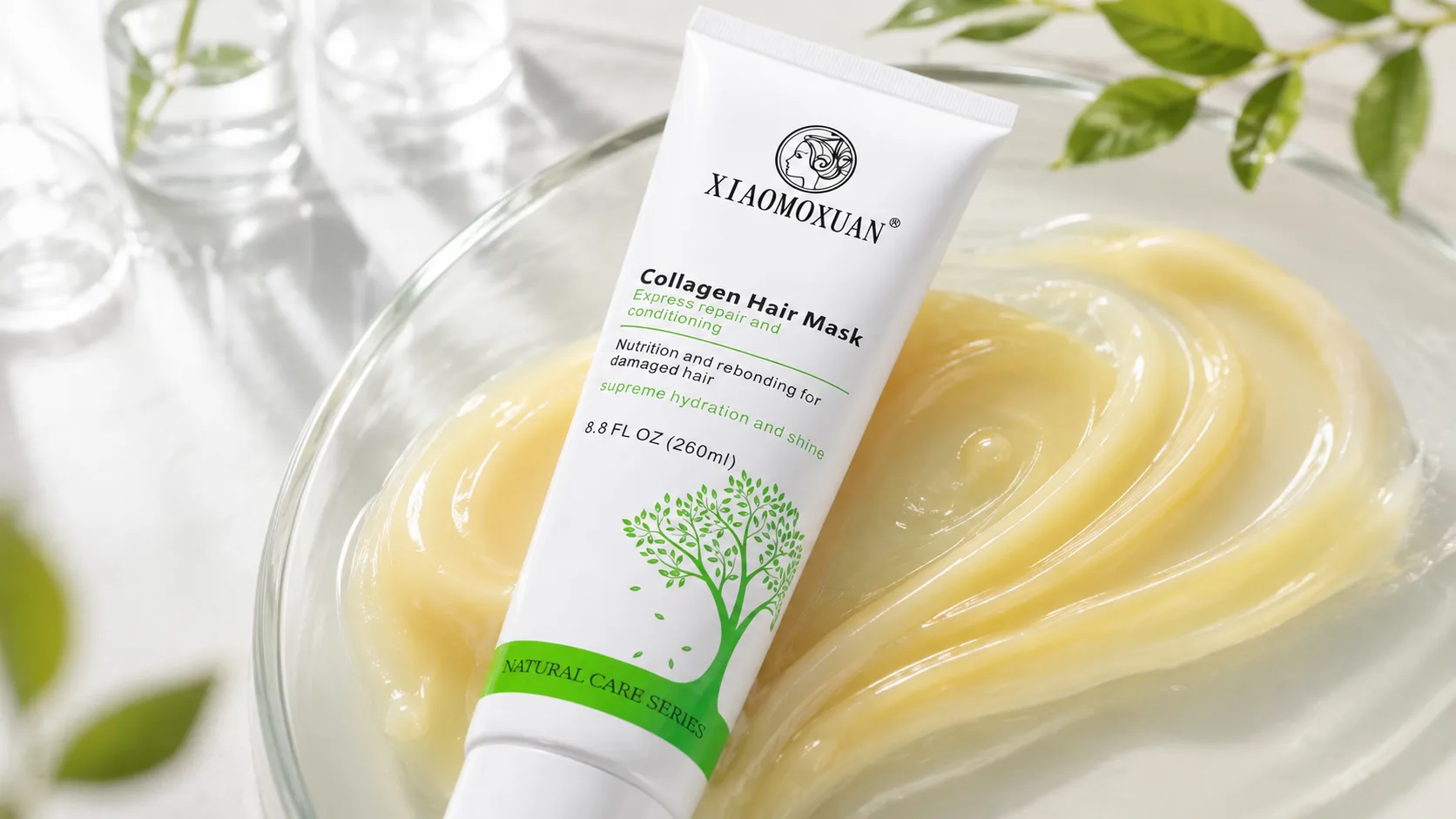
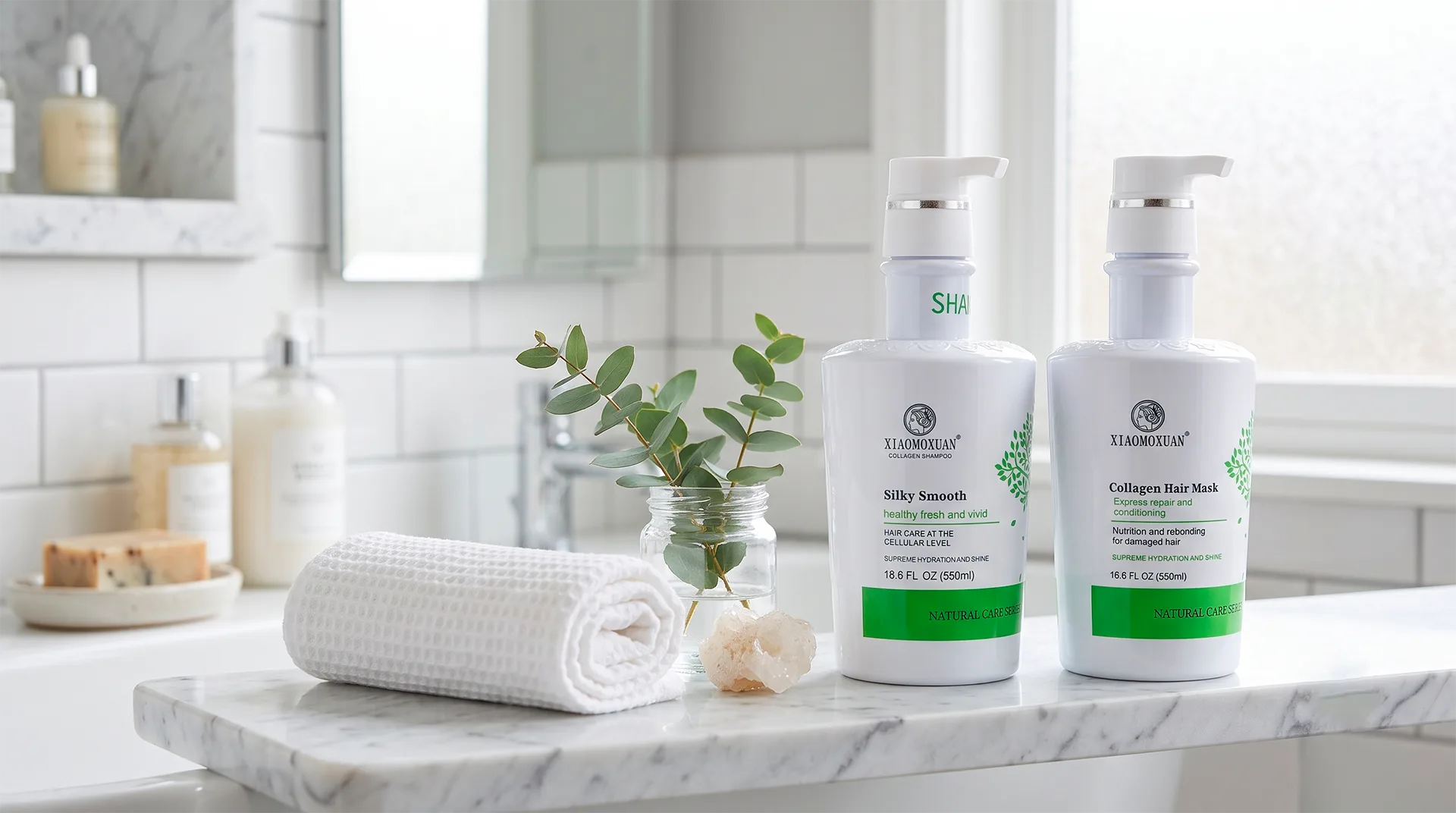
Xiaomoxuan’s collagen formula is built for exactly this: everyday products that deliver hydrolyzed collagen into the shaft with every wash, not just as a one-off intensive treatment. Customers ordering to Portugal and other southern EU countries usually notice a difference in hair texture within the second week of regular use.
Leave-in care: the step most people skip
In a cold climate, leave-in conditioner is optional. In a hot one, especially near the sea, it isn’t. Salt from seawater and chlorine from pools raise the pH of hair, which keeps the cuticle open. An open cuticle means constant moisture loss, constant frizz, and color fading faster.
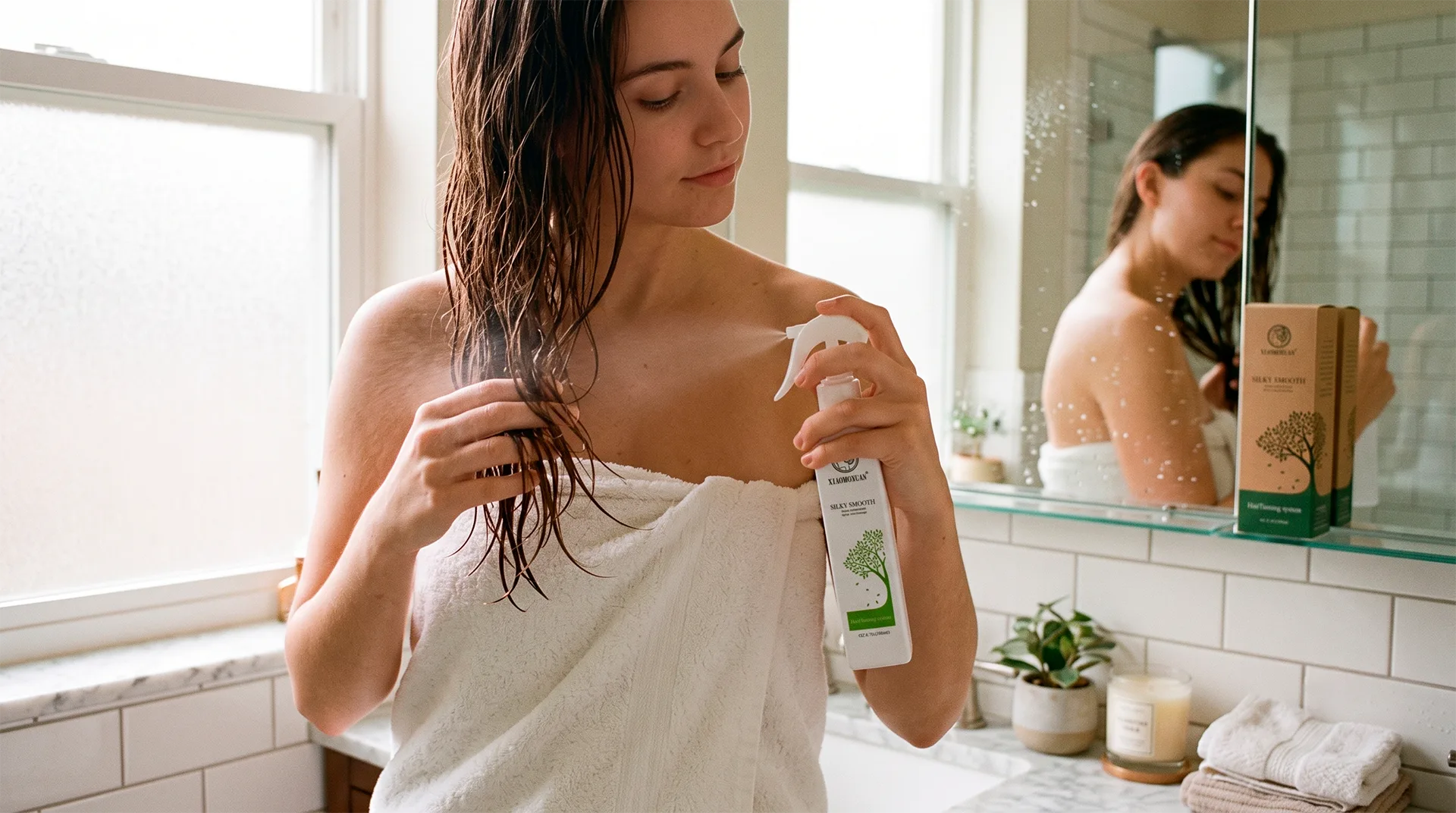
A leave-in conditioner or serum applied after washing helps close the cuticle and builds a light protective layer before hair meets wind, sun, or salt again. A common mistake is skipping leave-in care because hair “already feels heavy.” That’s usually a sign the product is wrong – not proof that leave-in care doesn’t work.
A summer hair routine that actually holds up
This isn’t a five-step system. If you live somewhere hot, you need something simple enough to actually do every day.
Wash with a sulfate-free shampoo – three to four times a week is enough for most hair types in summer, not every day. Use a collagen mask once a week, for twenty minutes, not two. Apply a leave-in product after every wash, especially before heading outside.
Results usually show up around the three-week mark. The first week tends to feel like nothing’s changed. By week three, hair detangles faster, the ends break less, and the mid-lengths stop looking dull.
Where to find sulfate-free hair care in Europe
Finding decent hair care in a new country is its own kind of challenge. Pharmacy brands vary unpredictably from one country to the next. Marketplaces mix genuine products with counterfeits. Ordering from Asia takes weeks and comes with none of the protections EU standards give you.
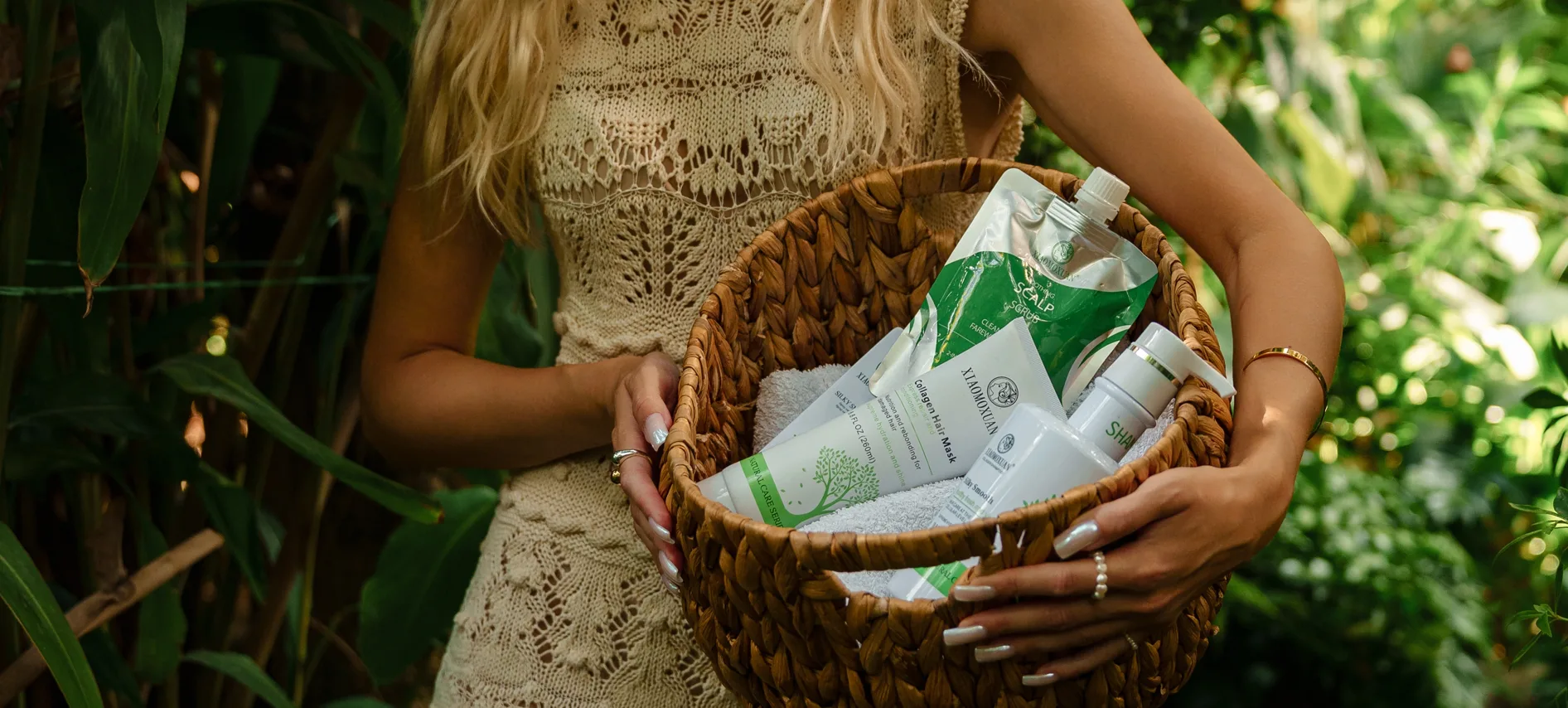
Xiaomoxuan ships from within the EU to every member state, including Portugal – no customs duty, no hidden fees, delivery in 3–5 business days. The full range – sulfate-free shampoos, collagen masks, leave-in products – is on xiaomoxuan.cz. Order 3 or more items and delivery drops to €12.
Questions people ask most
Does a sulfate-free shampoo clean hair properly?
Yes. Sulfate-free formulas use gentler surfactants that remove dirt and excess oil without breaking down hair’s natural protective layer. There’s less foam – some people read that as “not cleaning properly” – but foam volume has nothing to do with how well a shampoo cleans. Most people notice no difference in cleanliness and a real difference in how their hair feels afterward.
How often should I wash my hair in summer?
For most hair types, three to four times a week is enough, even in the heat. Washing daily – especially with sulfate shampoos – throws off the scalp’s natural balance and speeds up moisture loss along the lengths. Switching to a sulfate-free shampoo and washing slightly less often usually clears up excess oil at the roots within two to three weeks.
What does hydrolyzed collagen do for hair?
Its molecules are small enough to get inside the hair strand instead of just coating the surface. Once there, it fills in micro-damage on the cuticle, reduces breakage, and improves elasticity – which is why heat-damaged hair responds well to it. The result builds gradually: most people notice a difference in texture and breakage after two to three weeks of regular use.
Does Xiaomoxuan ship to Portugal?
Yes. Xiaomoxuan ships to Portugal via PPL, with delivery in 3–5 business days. No customs duty – Portugal is an EU member state. Standard shipping costs €24; order 3 or more items and it drops to €12 (a 50% discount).
Switch to sulfate-free care this summer
Collagen shampoos, masks, and leave-in care – delivered to Portugal and every EU country in 3–5 days.