
Bleaching always leaves a mark – the only question is how deep it goes. Some people get a few dry ends after highlights. Others end up, within a week, with hair that squeaks between their fingers and snaps every time a comb goes through it. That difference isn’t luck. It comes down to what happens under the hair cuticle during the process – and what you do in the first few days afterwards.
What bleach actually does to your hair
Bleach lifts the cuticle and breaks down the melanin pigment inside the cortex. Along with the pigment, the hair loses some of its protein bonds (disulfide bonds) and moisture. The higher the developer volume and the longer it’s left on, the more the structure suffers – even if the result looks smooth and even when you walk out of the salon.
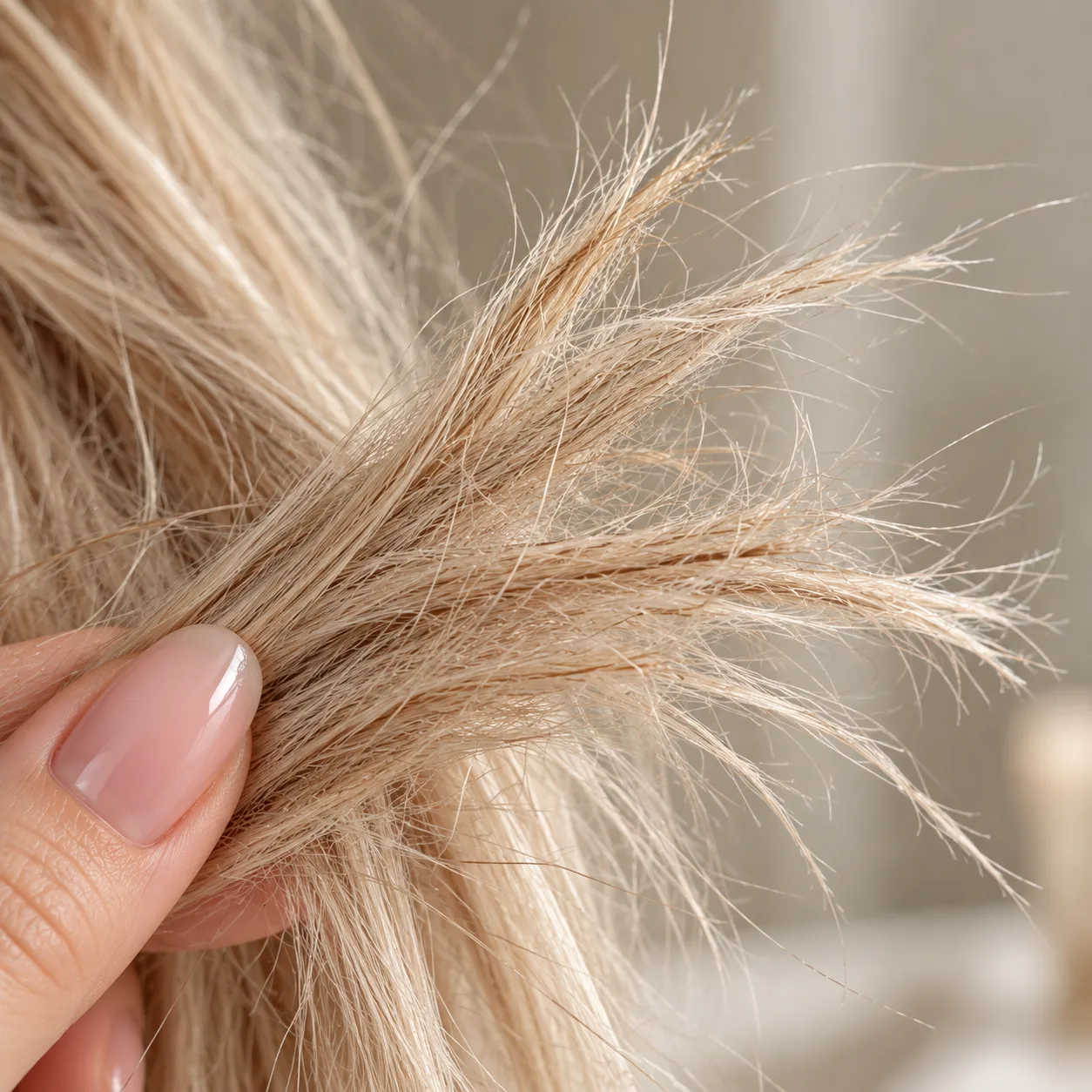
That’s the catch. Right after the appointment, hair can feel almost normal: your stylist smooths it with conditioner, blow-dries it, and everything looks sleek. The real state of the cuticle shows up 3–5 days later, once you’ve washed it at home with your usual shampoo and let it air-dry. That’s when the squeak, the frizz and the “straw” feeling at the ends appear.
5 signs your hair needs help right now
- It squeaks between your fingers even after conditioner – the cuticle scales are still raised.
- Strands snap when you brush dry hair, not only wet hair.
- The ends look almost “see-through” against the light and keep splitting, however gently you handle them.
- Small knots form near the roots after sleeping or a windy day – the hair has lost its elasticity.
- Your colour fades or turns brassy between toners, because the porous, “open” structure can’t hold pigment.
If two or three of these sound familiar, a regular conditioner won’t be enough anymore. Your hair needs an intensive treatment routine.
Can bleached hair really be repaired?
To be straight with you: a hair strand is dead tissue with no blood supply of its own, so no product can “grow back” broken disulfide bonds. What good products actually do is fill tiny gaps in the cuticle with proteins and collagen, temporarily smooth down the raised scales and lock moisture inside the strand. Your hair looks and feels much better and breaks less – but that’s compensating for the damage, not making it disappear.
Split ends are a separate story. You can’t “glue” them back together, whatever some products promise. A split will keep travelling up the strand until it’s cut off. That’s why a trim isn’t optional in any recovery plan – it’s a must.
Step-by-step recovery plan after bleaching
The first 48 hours
Try not to wash your hair for a day or two after bleaching, unless your stylist told you otherwise. This gives the cuticle a chance to settle and helps the fresh toner last longer. If you do need to wash it sooner, use cool water – hot water opens up the already damaged cuticle even more.
Week 1
A gentle sulfate-free moisturising shampoo, conditioner after every wash and a leave-in heat protection spray – even on days you don’t use a hairdryer. Bleached hair is vulnerable to sun and to friction against clothes, too.
Weeks 2–4
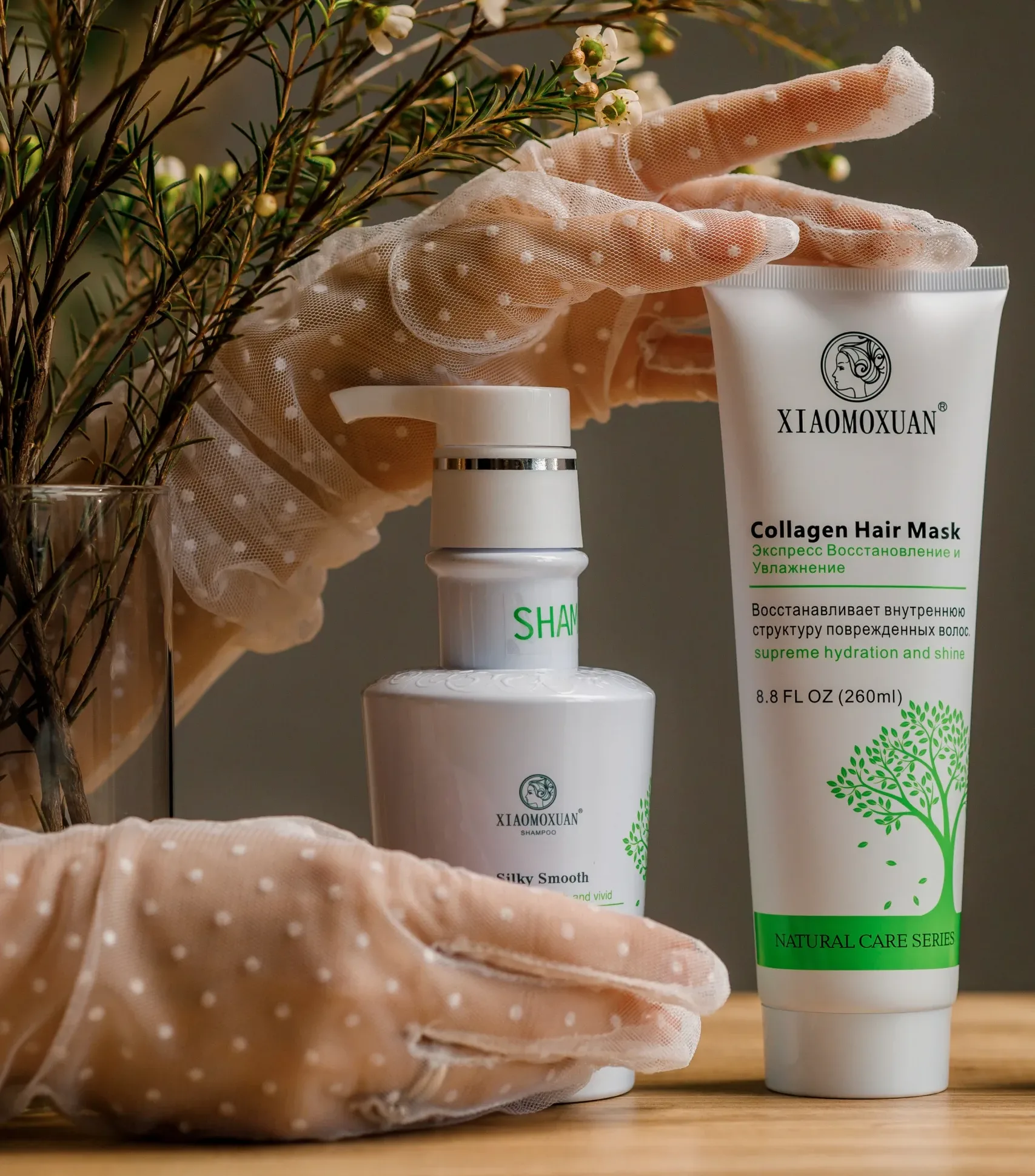
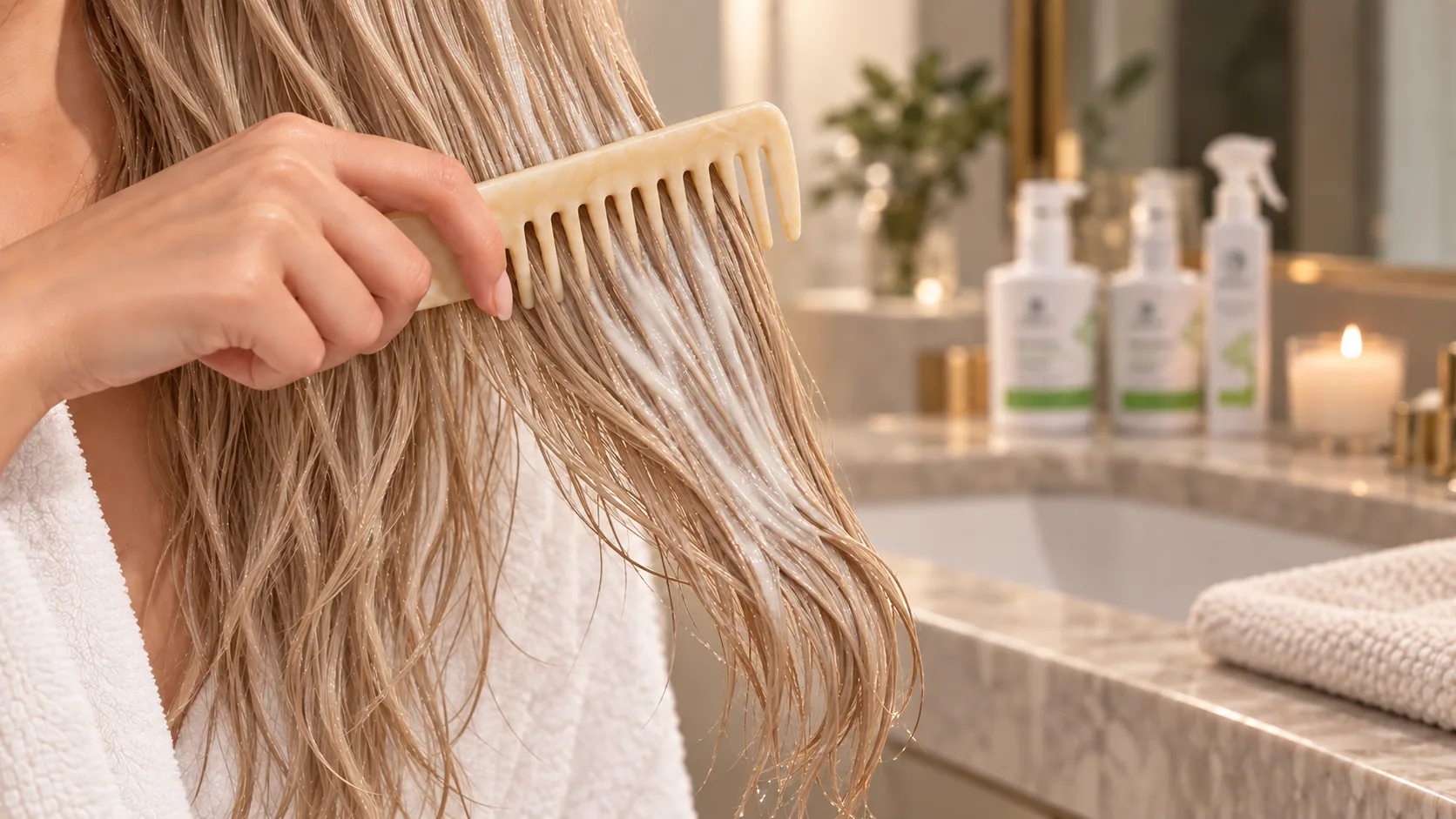
This is when the intensive part starts: a repairing collagen mask 2–3 times a week, applied from mid-lengths to ends. This is usually when people notice the first real change – less tangling and less breakage when brushing.
Months 1–3
You can cut the mask down to once or twice a week as maintenance. If your hair was bleached several times in a row or the process was very aggressive, visible recovery can take the full three months. That’s normal – it doesn’t mean your routine “isn’t working”.
Collagen or Silky Smooth: which is better for bleached hair?
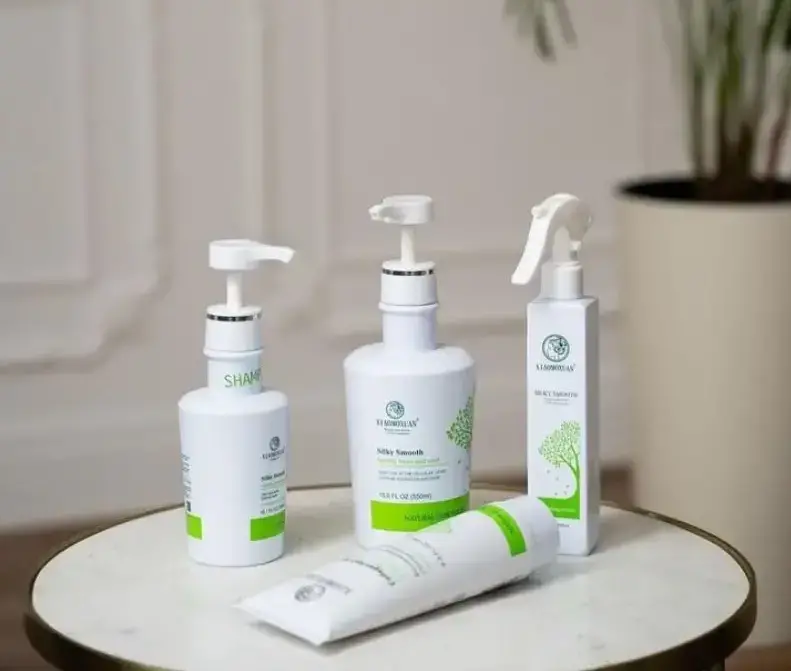
For hair after bleaching – porous, dry and prone to breakage – the Collagen line is the best fit. It focuses on deeper repair and strengthening the structure, not just lightness and shine. Silky Smooth with tea tree also works for damaged hair, especially when the main issues are dryness, frizz, porosity, tangling and a lack of smoothness. The mask softens the hair and makes it more manageable, smoother and easier to detangle.
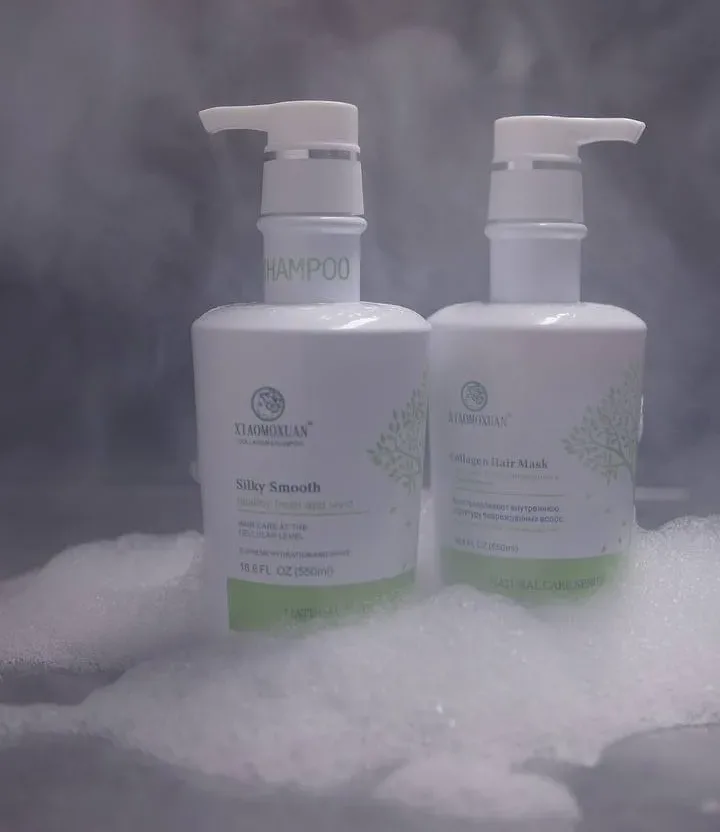
You can also combine the two. If your roots get oily faster while the lengths stay dry (very common after bleaching regrowth), wash with Silky Smooth shampoo and apply the Collagen mask to the lengths only.
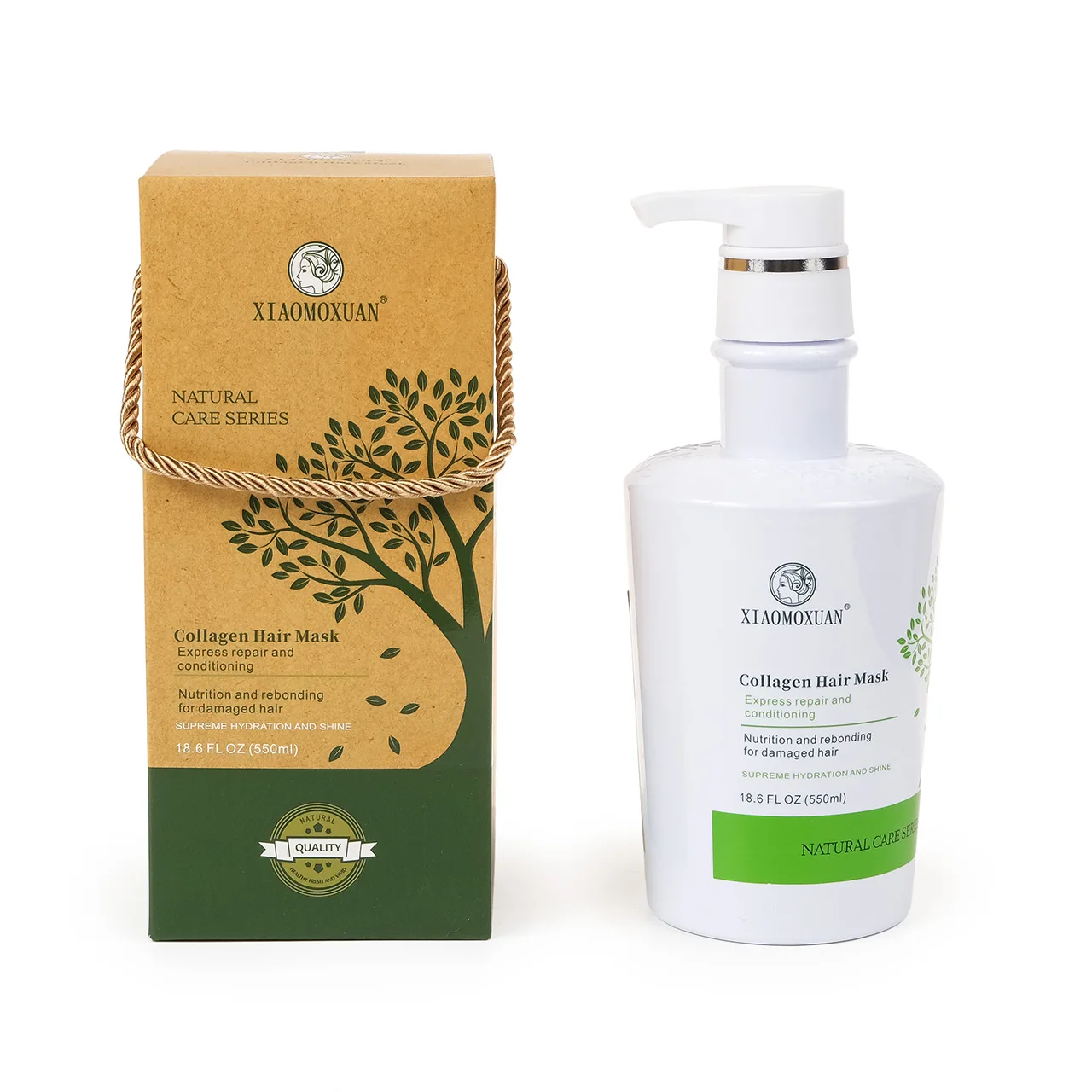
Xiaomoxuan Collagen Hair Mask
For intensive repair of porous, bleached hair – fills micro-damage in the cuticle and brings back elasticity.
Common mistakes that slow down recovery
- Washing with very hot water – it opens the cuticle again every time, and more protein gets washed out.
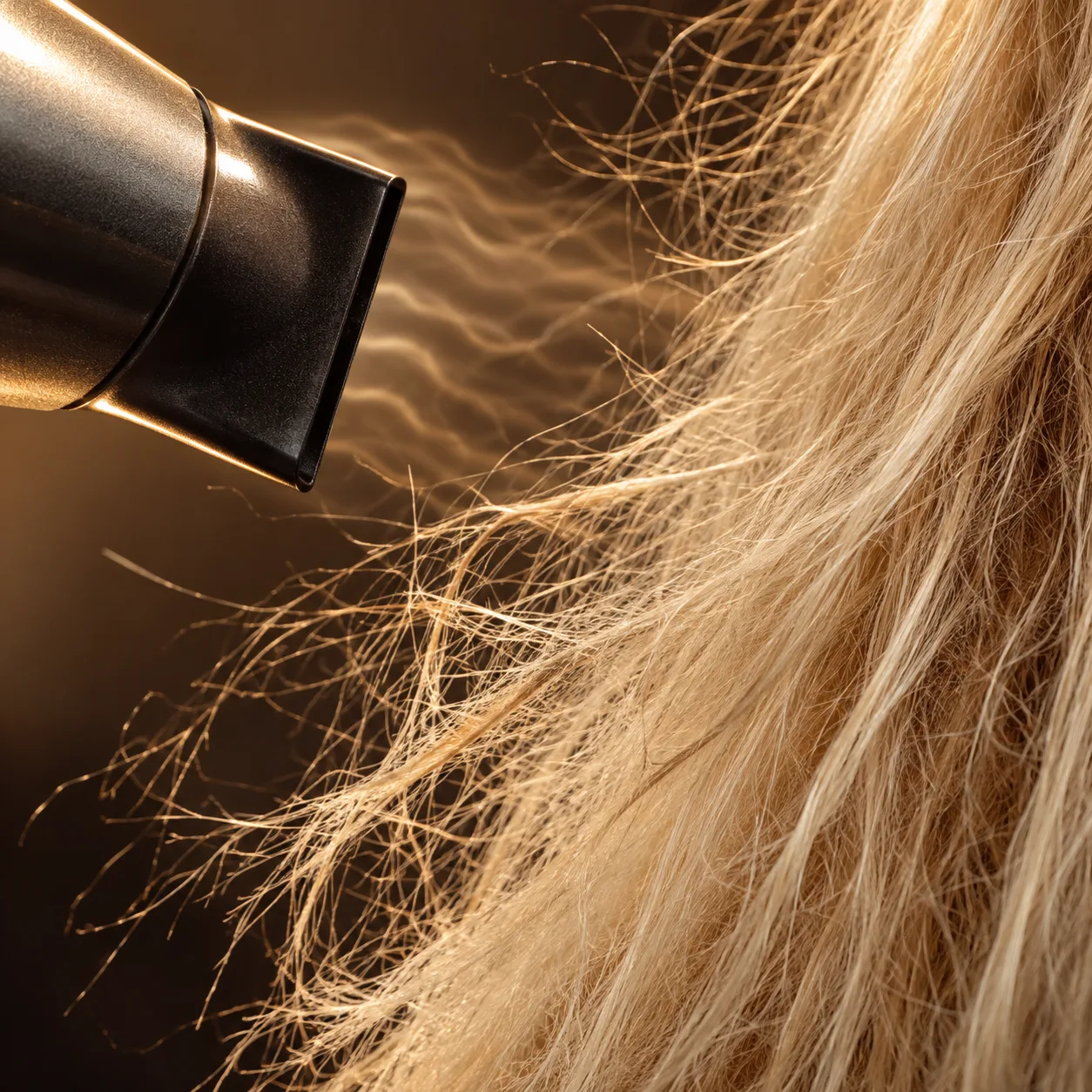
- Daily straightening or blow-drying without protection – heat does more harm to porous hair than to healthy hair.
- Using a regular sulfate shampoo “because it’s there” – it strips away a lipid layer that’s already unstable.
- Putting off a trim – split ends keep “climbing” up the strand.
- Bleaching again too soon – wait at least 6–8 weeks before the next session, and if the damage is severe, wait until you can actually see improvement.
How long hair recovery really takes
After a single, light bleaching session, the first visible changes – less frizz, more shine – usually show up after 3–4 weeks of regular care. If your hair went through several sessions in a row or heavy lightening (say, dark to blonde in one appointment), a realistic timeline is 2–3 months of consistent care. Split ends don’t count here: only your stylist’s scissors can fix those.
Frequently asked questions
Can hair fully recover after bleaching?
Its condition can improve a lot – with regular protein and collagen care, hair breaks less and gets its shine and elasticity back. But this compensates for the damage rather than fully restoring the broken bonds inside the strand. Split ends can’t be repaired, only trimmed.
How often should I use a mask on bleached hair?
In the first month, 2–3 times a week, focusing on mid-lengths and ends. Once you see the first improvements, once or twice a week is enough for maintenance.
Can I dye or tone my hair while it’s recovering?
A gentle toner is usually fine even during recovery, but it’s better to wait at least 6–8 weeks before bleaching again. If your hair is badly damaged, talk to your colourist before any further chemical treatment.
Do I need heat protection if I don’t blow-dry my hair?
Yes. Bleached hair is sensitive not only to heat but also to sun and friction from clothes or your pillow. It’s worth using a leave-in heat protection spray even on days without styling.
Silky Smooth or Collagen – which should I choose after bleaching?
For bleached, porous and brittle hair, the Collagen line is the best choice because it targets deeper structural repair. Silky Smooth also suits damaged hair, especially when dryness, frizz, tangling and loss of smoothness are the main concerns.
Start your recovery routine today
A collagen mask, a moisturising shampoo and a leave-in heat protection spray – everything bleached hair needs in the first months after lightening.
Read also:
Want tips on hair and body care to show up first?
One click — and Google will more often show you Xiaomoxuan's articles and tips (including in AI search), when you're looking for advice on hair care, body care, or choosing cosmetics.
Button didn't appear? Add us as a preferred source here →