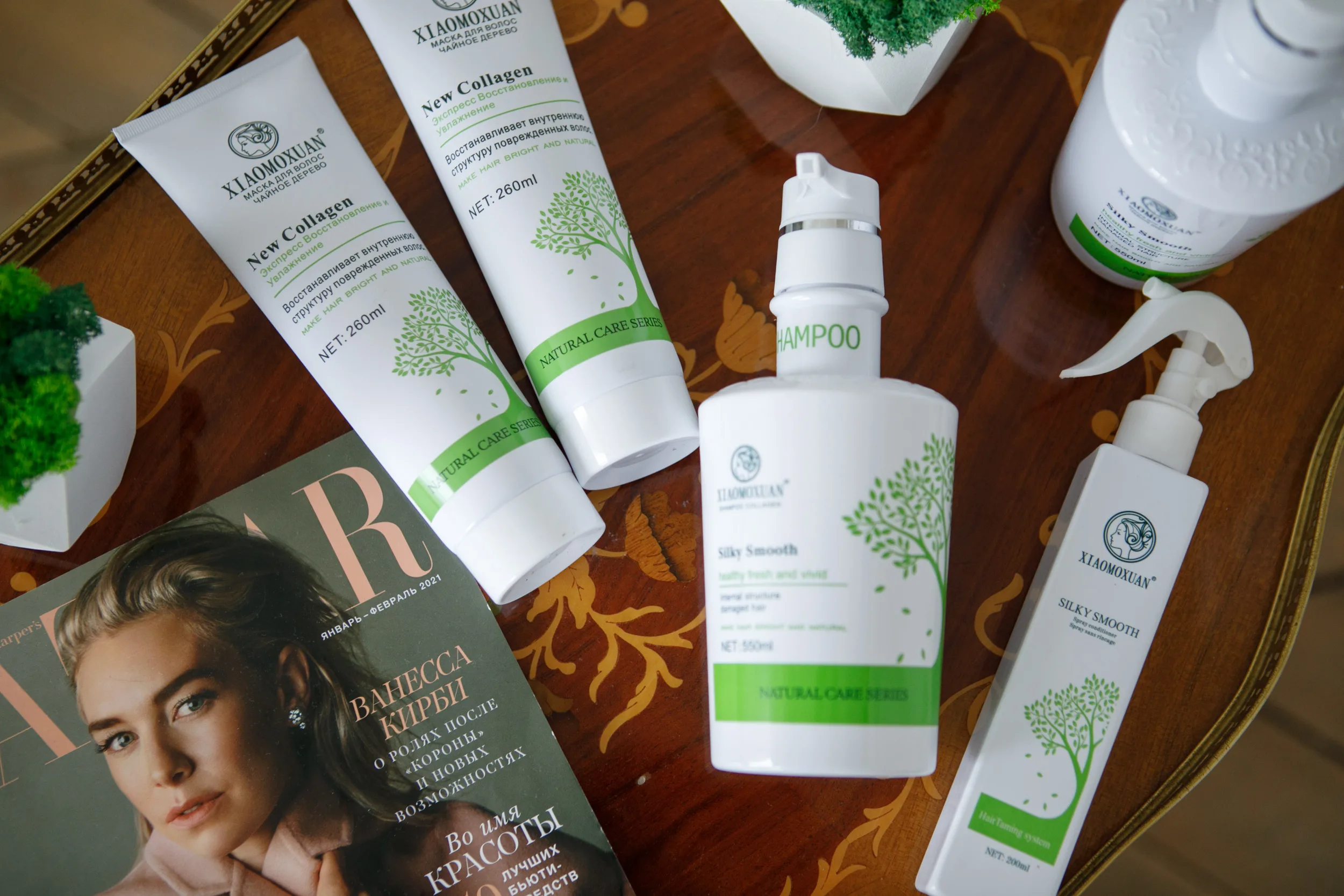
Every hair care shelf looks the same in every country: each label promises “natural,” “restorative,” and “visible results in weeks.” When you’re choosing between Xiaomoxuan and whatever brand your local pharmacy or salon carries, those words don’t tell you much — the real differences sit in the ingredient list, the price bracket, and exactly which hair problem the product was built to solve.
Here’s an updated 2026 benchmark of Xiaomoxuan against the five brands it gets compared to most often: Lavera, Milbon, Maria Nila, Shiseido, and Sachajuan. No downplaying the competition, and no glossing over where Xiaomoxuan comes up short.
2026 comparison criteria: what actually matters
Four factors give you the real picture; the rest is marketing copy: the INCI ingredient list (not the word “natural” on the box), origin and manufacturing standards, price per comparable volume, and — most importantly — which specific hair problem the brand was built to solve. A shampoo can be excellent and still be the wrong fit if your goal is something else.
Xiaomoxuan vs. Lavera: concentrated repair vs. certified organic care
Lavera is a German brand carrying NaTrue certification, built around organic oils (argan, coconut) and focused on hydration and sensitive scalp care. That’s something Xiaomoxuan honestly doesn’t offer — there’s no equivalent European organic certification, and the focus is different: hydrolyzed collagen for repairing damaged hair structure, not a certified organic formula for scalp sensitivity.
If certified organics and gentle scalp care are the priority, Lavera has the stronger case. If the problem is breakage and split ends after coloring or heat styling, Xiaomoxuan addresses that more directly.
Xiaomoxuan vs. Milbon: at-home ritual vs. salon technology
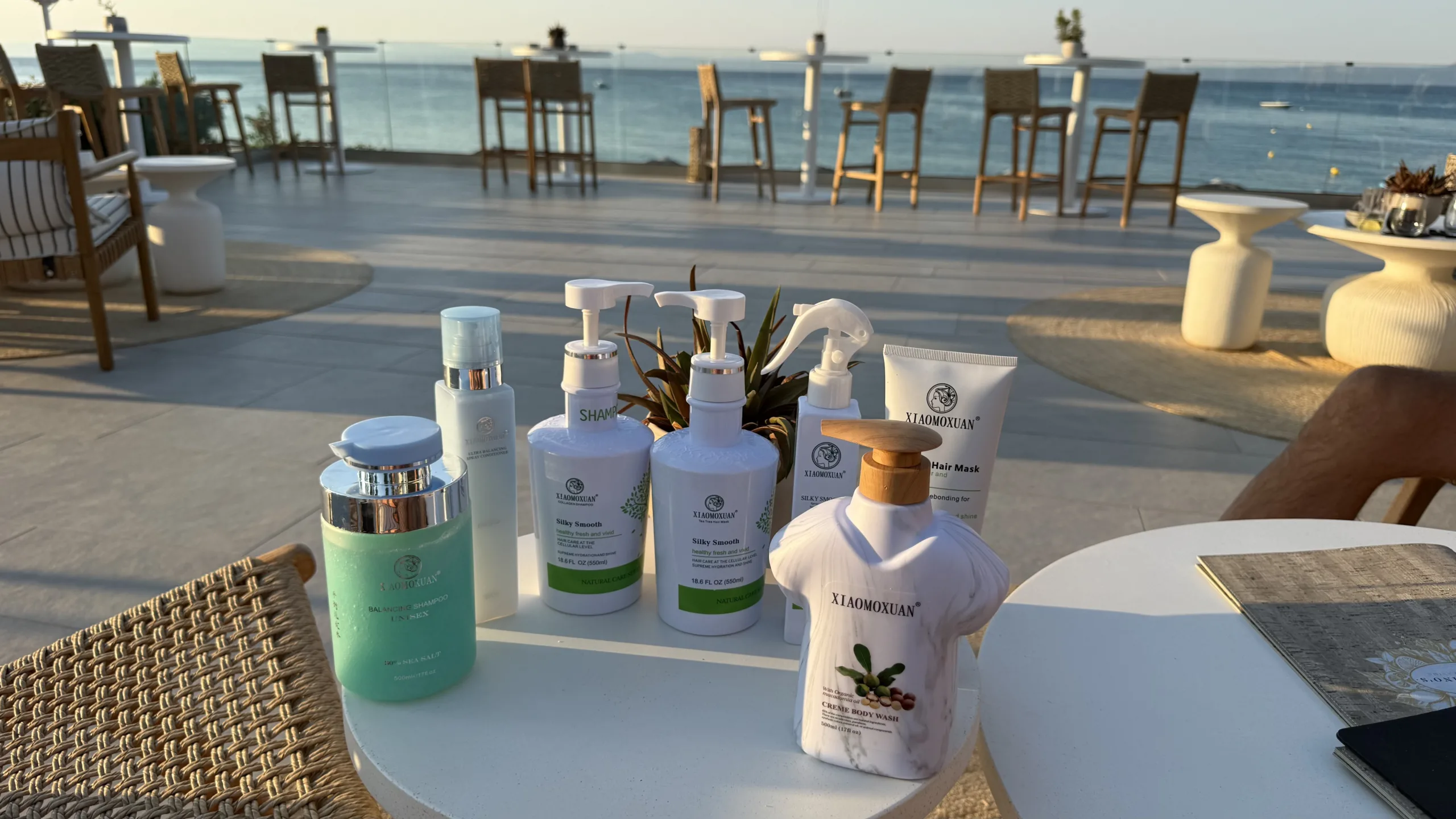
Milbon is a Japanese brand known for patented keratin complexes that repair the cuticle, often applied as part of a salon service rather than at home. That shapes both the price and how it’s used: Milbon is built for professional application, Xiaomoxuan for a self-administered home routine with no salon visit required.
For cuticle repair depth, Milbon’s salon-grade technology has an edge. But for everyday home care at a more accessible price, Xiaomoxuan’s collagen-based formulas deliver a comparable effect over 6–8 weeks of regular use — just without the salon step.
Xiaomoxuan vs. Maria Nila: structural repair vs. color protection
Maria Nila is a Swedish vegan brand built around seaweed extracts and Arctic ingredients, specializing specifically in color protection for dyed hair. It’s a narrower but very deliberate focus: if your main issue is color fading after dyeing, Maria Nila was designed for exactly that.
Xiaomoxuan doesn’t position itself as a color-protecting brand — its strength is structural repair for damaged hair, colored or not. The two approaches aren’t interchangeable; the choice comes down to what actually worries you more, color retention or structural damage.
Xiaomoxuan vs. Shiseido: accessible care vs. premium technology
Shiseido is a premium-tier Japanese brand with high-tech formulas often aimed at hair that’s losing density and elasticity with age. The price is significantly higher here, and part of that cost is the brand’s reputation and R&D investment, not just what’s in the bottle.
Xiaomoxuan doesn’t claim the anti-aging hair care niche — that’s not the segment it competes in. For repairing damaged hair at a more accessible price, Xiaomoxuan remains the more practical pick, but for age-related structural changes, Shiseido or a comparable premium line is worth considering.
Xiaomoxuan vs. Sachajuan: everyday repair vs. styling in harsh climates
Sachajuan is a Swedish brand known for formulas built on ocean silica, designed primarily for styling and protecting hair from humidity, wind, and salt air. These are styling and hold products, not structural-repair ones.
Comparing Xiaomoxuan directly to Sachajuan isn’t really a fair fight — they solve different problems. If you need styling that holds up in the rain or by the sea, Sachajuan was built for exactly that. If the goal is repairing damaged hair structure, that’s not the category Sachajuan competes in.
Which brand fits your hair type: a quick-reference table
| Hair concern | Best pick | Why |
|---|---|---|
| Damaged, breaking hair after coloring or heat styling | Xiaomoxuan | Hydrolyzed collagen for structural repair at an accessible price |
| Very dry scalp, need certified organic care | Lavera | NaTrue-certified organic oils, gentle on sensitive scalps |
| Need deep, salon-grade cuticle repair | Milbon | Patented keratin complexes, professional application |
| Colored hair, main issue is color fading | Maria Nila | Seaweed extracts built specifically for pigment protection |
| Hair losing density and elasticity with age | Shiseido | Premium anti-aging formulas for mature hair |
| Styling in humid, windy, or coastal climates | Sachajuan | Ocean-silica formulas built for hold |
About the Author
Svitlana Orda, official representative of Xiaomoxuan in Ukraine and Europe, hair care expert with 10 years of experience.
Frequently Asked Questions About Comparing Xiaomoxuan
How is Xiaomoxuan different from Lavera?
Lavera carries NaTrue certification and focuses on organic oils for hydration and sensitive scalps. Xiaomoxuan doesn’t have an equivalent certification and instead focuses on hydrolyzed collagen for repairing damaged hair structure.
How is Xiaomoxuan different from Milbon?
Milbon relies on patented keratin complexes typically applied by a stylist in-salon. Xiaomoxuan is built for a self-administered home routine at a more accessible price, with a comparable effect after 6–8 weeks of regular use.
How is Xiaomoxuan different from Sachajuan?
Sachajuan is primarily a styling brand built for hold in humid or windy climates. Xiaomoxuan doesn’t compete in that category — it’s built for structural repair of damaged hair, not styling.