
You buy a good mask, read the ingredient list, don’t skimp on hair care – and your hair is still dull, frizzy or breaking at the ends. Most of the time the products aren’t the problem. Five everyday habits are, and they can turn even an expensive product into money down the drain. This isn’t about the “perfect hair ritual” from a magazine. It’s about specific things that do a little damage every day, often without you noticing.
1. Washing your hair with water that’s too hot
Hot water feels great, but it stresses both your hair and your scalp. High temperatures lift the hair cuticle and push your oil glands into overdrive – so your roots get greasy faster while the lengths lose moisture. The result is a frustrating loop: you wash more often, and your hair looks worse.
What to do instead: wash with warm, almost lukewarm water – especially for the final rinse. It helps the cuticle lie flat, so your hair looks smoother and shinier straight away, no extra product needed.
2. Applying mask or conditioner all the way to the roots
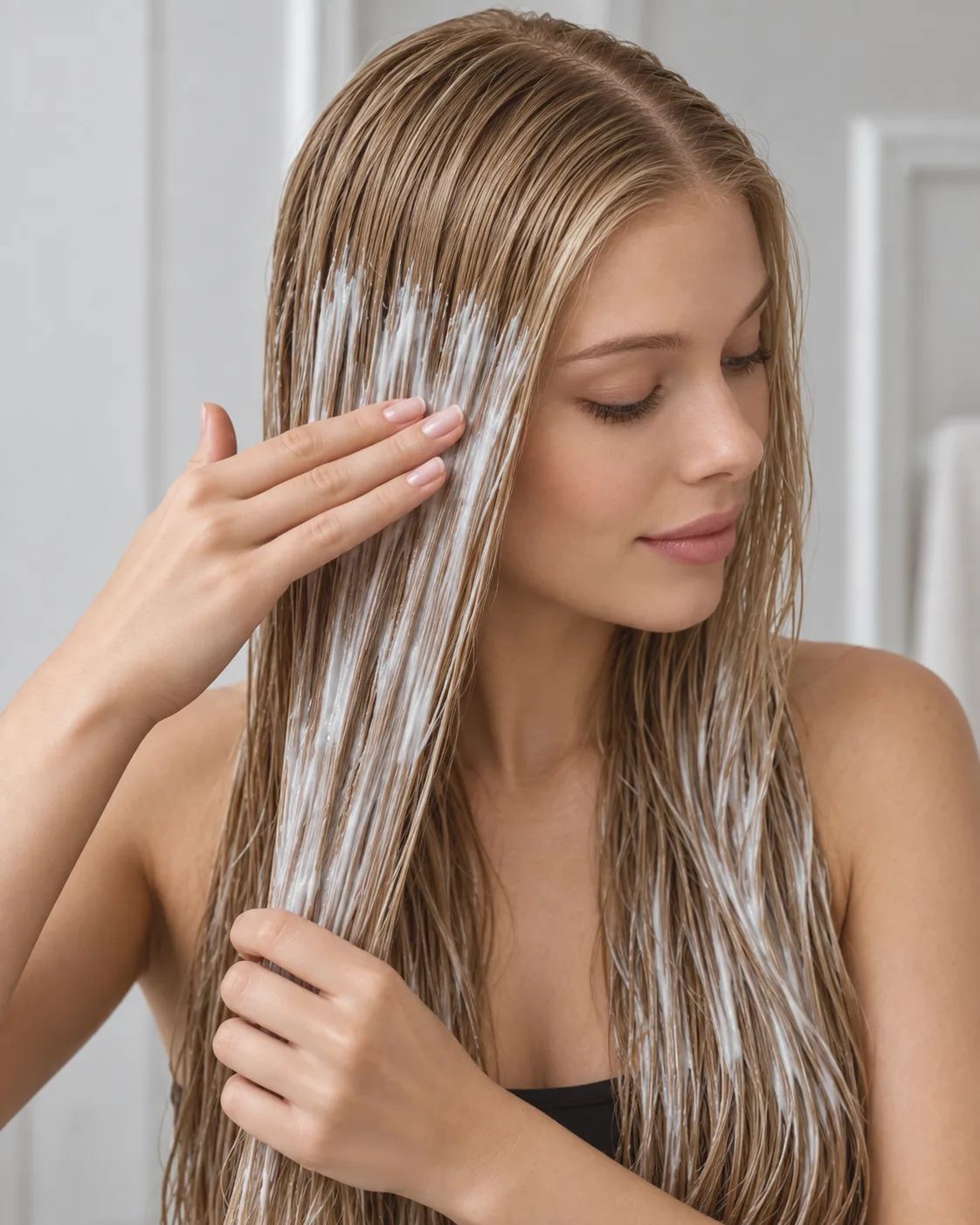
“The more, the better” backfires here. Masks and conditioners are made to nourish and smooth the lengths and ends – the parts of your hair that take the most damage. Put them on your roots too, and your scalp gets nourishment it doesn’t need: roots get oily sooner, and the product runs out twice as fast with no added benefit.
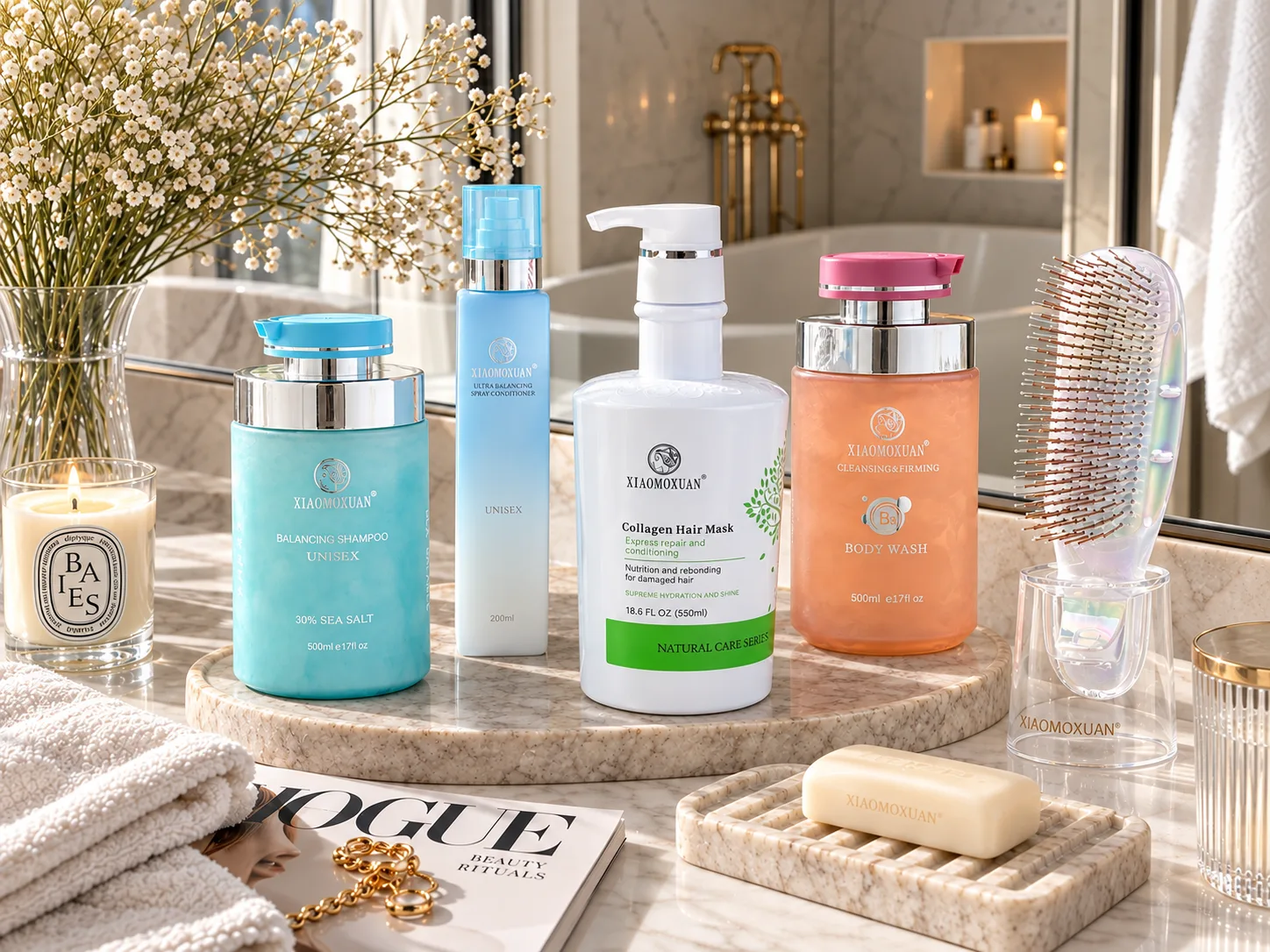
The right way: start 3–5 cm away from the roots and apply to the mid-lengths and ends, where the dryness and damage actually are. If your roots are oily and your ends are dry at the same time, that’s a combination problem and it needs a different approach: calm the roots with a lighter product, such as a sea salt shampoo, and save the nourishing care for the ends.
3. Brushing wet hair with a regular comb
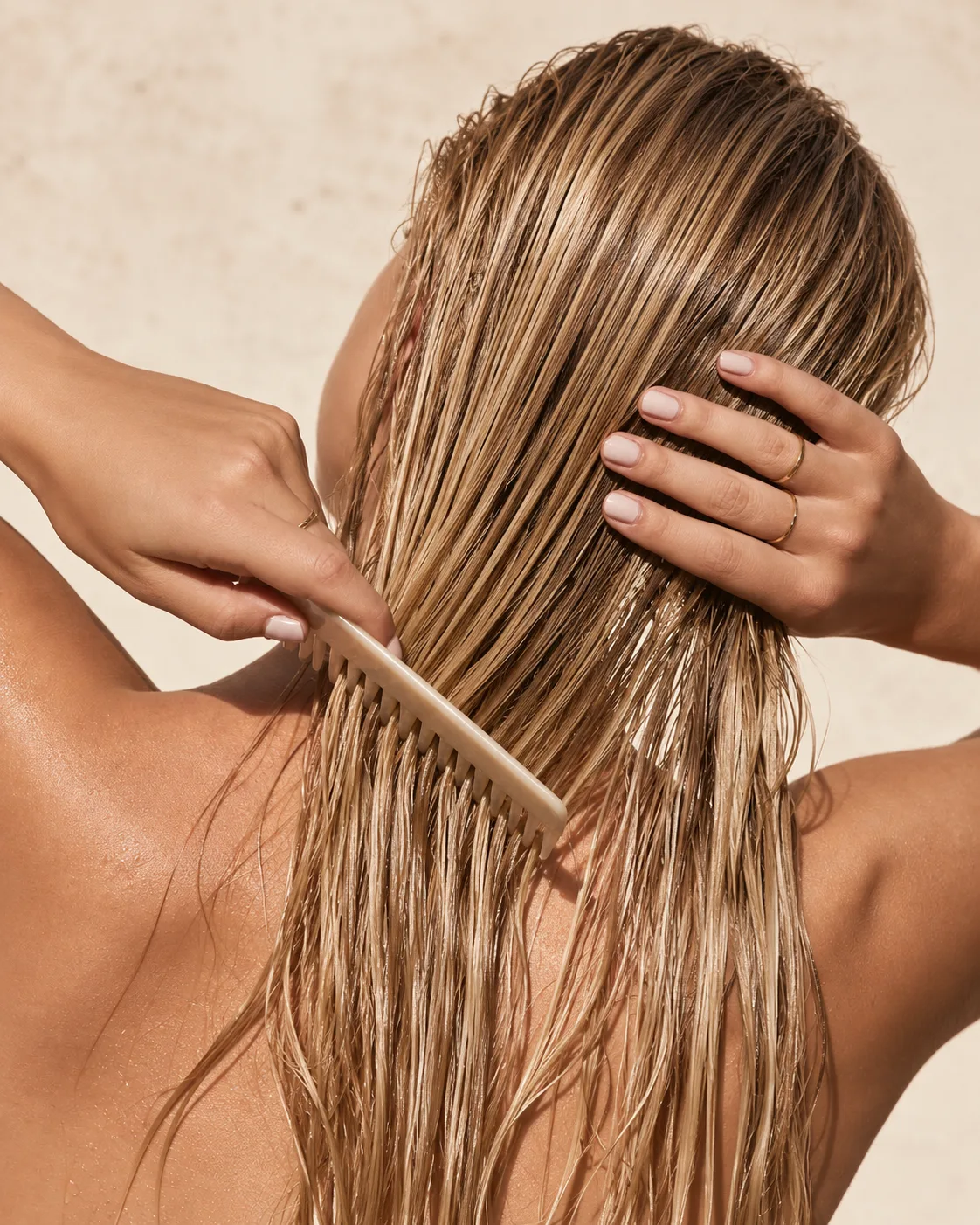
Wet hair can stretch by almost a third of its length, and that’s when it’s at its most fragile. A fine-tooth comb or a stiff brush will snag and snap it in this state – especially if you comb from the roots down and push the knots ahead of you.
A safer approach: use a wide-tooth comb or a brush designed for wet hair, and always work from the ends up to the roots – in small sections, moving higher bit by bit. If your hair tangles easily, apply a leave-in product or the same mask first, then detangle.
Wondering if this sounds like you?
Take a quick quiz and find out which Xiaomoxuan line suits your hair best.
4. Rough towel-drying and sleeping with wet hair
Rubbing wet hair with a towel seems harmless, but done every day it roughs up the cuticle, leaving hair duller and more prone to frizz. Add to that going to bed with hair that isn’t fully dry: it rubs against the pillow for hours, and damp hair also stretches under its own weight while you sleep.
A gentler option is to blot your hair instead of rubbing it – ideally with a cotton towel or an old T-shirt made of thin fabric. If there’s no time to blow-dry before bed, let your hair air-dry to at least 70–80% and put it in a very loose braid to cut down on friction against the pillow.
5. Choosing products by advertising or price instead of ingredients
“Sulfate-free”, “natural” or “professional” on the label doesn’t guarantee a product is right for your hair. We often choose by the packaging or the price tag rather than by the specific problem the product is meant to solve – hydration, repair after colouring, or balancing oily roots.
It’s only fair to be honest about our own products here too: Xiaomoxuan formulas are free from sulfates and parabens, but that doesn’t mean “silicone-free”. The light silicones in them keep hair smooth and protect it from mechanical damage – standard practice in professional hair care. What matters isn’t chasing a trendy word on the label, but knowing which hair problem a given product is there to fix.
Checklist: 5 habits worth changing this week
- Finish with a lukewarm rinse, not a hot one.
- Apply mask and conditioner 3–5 cm away from the roots.
- Detangle wet hair with a wide-tooth comb, from the ends up to the roots.
- Blot hair with a towel instead of rubbing, and don’t go to bed with wet hair.
- Choose products by ingredients and purpose, not by the slogan on the label.
Frequently asked questions
Why does my hair get greasy faster when I wash it with hot water?
Hot water stimulates the oil glands in your scalp, so your roots get greasy sooner. Warm or lukewarm water, especially for the final rinse, doesn’t have this effect.
Can I put a hair mask on my roots?
Usually it’s not worth it – masks are meant to nourish the lengths and ends. The exception is products made specifically for the roots, such as a sea salt shampoo for oily roots.
What kind of comb should I use on wet hair?
A wide-tooth comb or a brush designed for wet hair. Work from the ends up to the roots in small sections instead of pulling the comb through the full length in one go.
Is it bad to sleep with wet hair?
If you do it regularly, yes. Your hair spends hours rubbing against the pillow while it’s damp and at its most vulnerable, which over time leads to frizz and broken ends.
Does “sulfate-free” mean a product is completely natural?
No. Sulfate-free simply means gentler cleansing that doesn’t dry out the scalp. It doesn’t rule out other ingredients, such as silicones, which are common even in professional hair care because they add smoothness and protect the hair.
Fix the habits – then find the right care
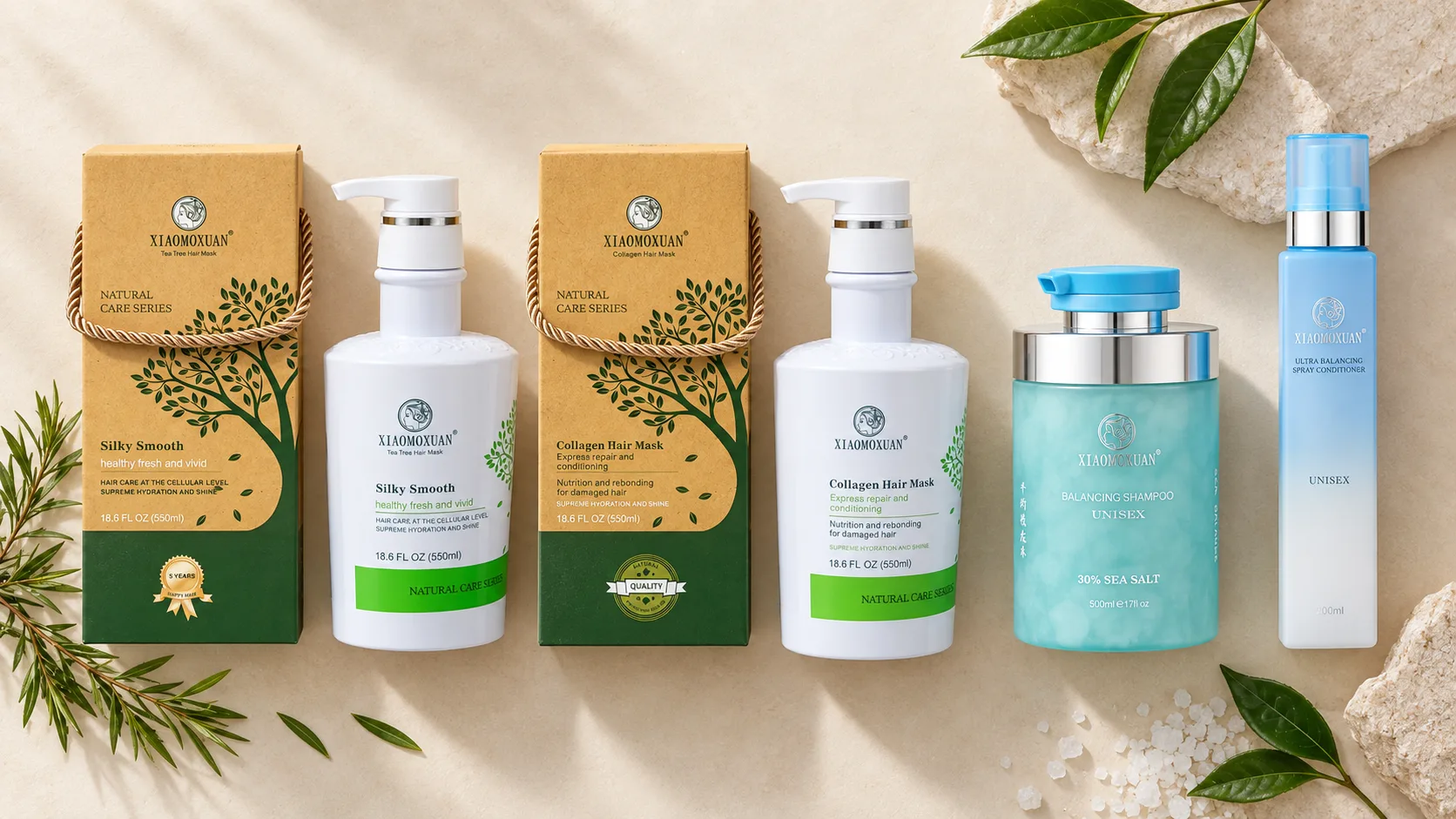
Five simple changes to your daily routine will already make a visible difference. The next step is choosing a formula for your hair type: Silky Smooth, Collagen or Balance.
Read next:
Want tips on hair and body care to show up first?
One click — and Google will more often show you Xiaomoxuan's articles and tips (including in AI search), when you're looking for advice on hair care, body care, or choosing cosmetics.
Button didn't appear? Add us as a preferred source here →