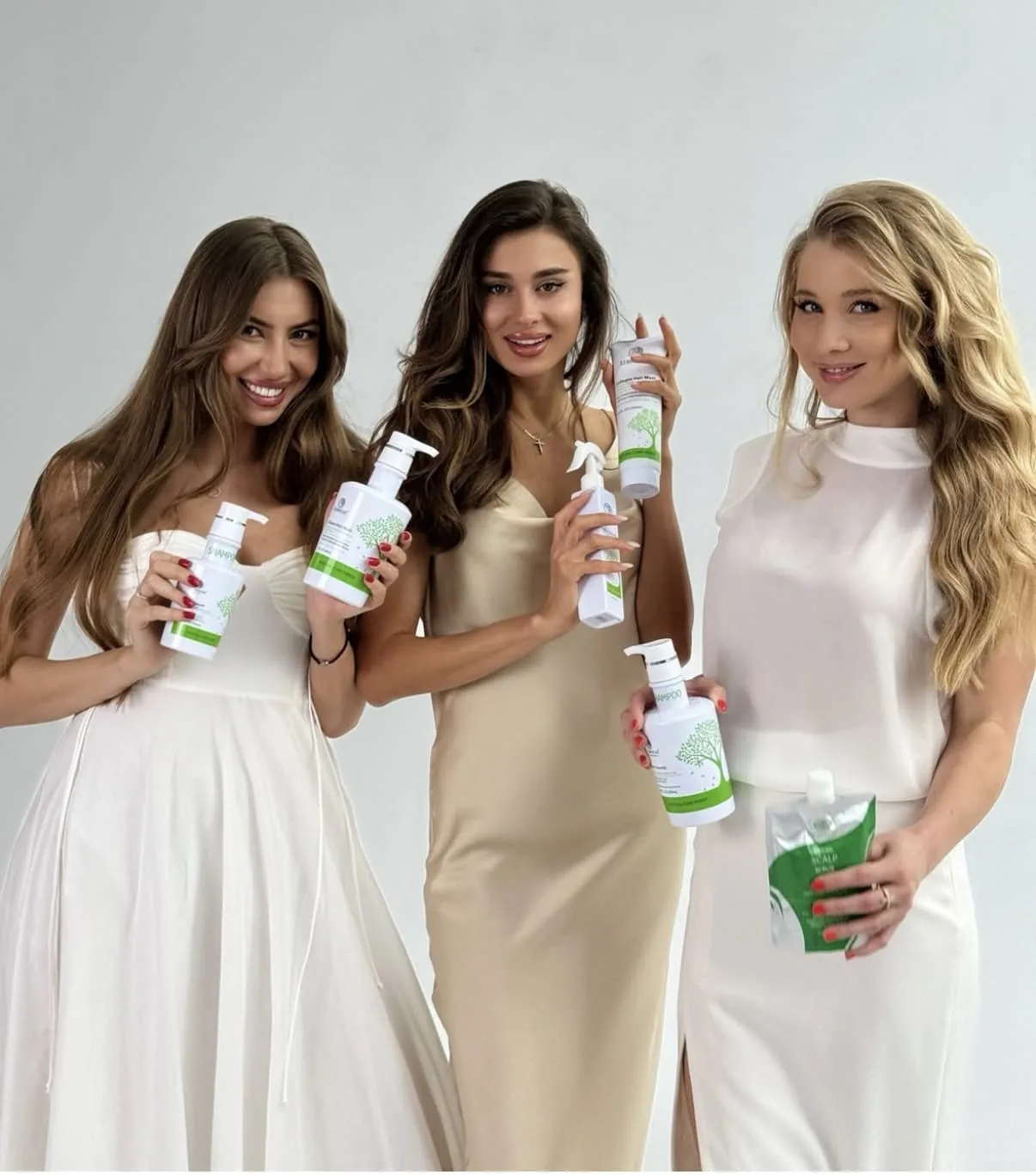
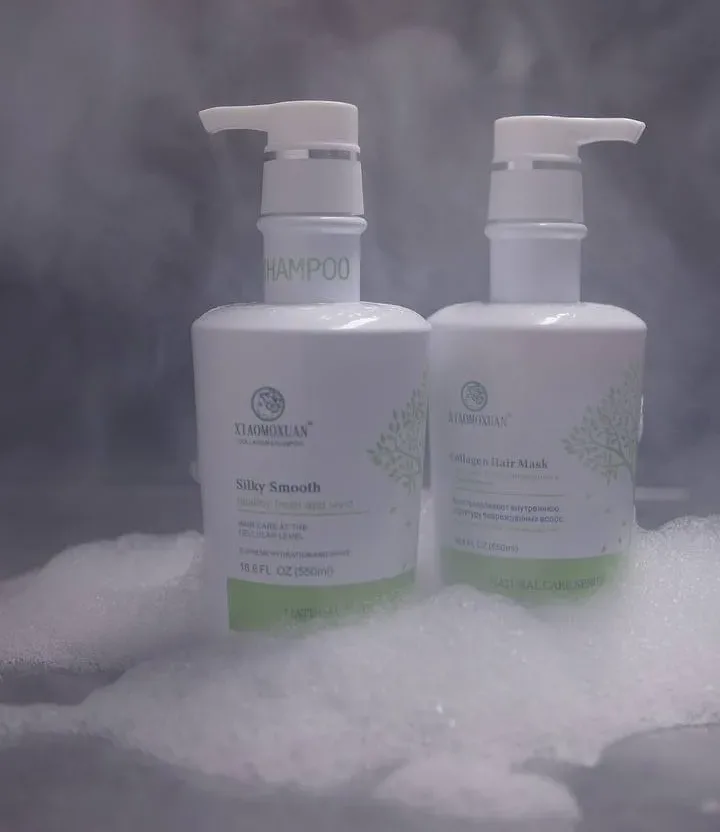
“Sulfate-free means it barely lathers.” You’ll hear this in salons and in product reviews alike. It was partly true back when sulfate-free formulas really were weaker. The formulas have moved on a lot more than the assumption has.
Myth 1: sulfate-free shampoo doesn’t clean your hair properly
Fact: lather isn’t a measure of cleanliness — it’s a marketing effect. Sulfates (SLS, SLES) foam more because they strip the scalp’s lipid layer more aggressively, not because they clean better. Mild surfactants like Cocamidopropyl Betaine clean just as effectively, just without the “squeaky clean” feeling that actually signals an over-stripped scalp.
Myth 2: sulfate-free always means more expensive and only for “premium” products
Fact: price tracks the concentration of active ingredients, not the mere absence of sulfates. A formula without SLS/SLES costs roughly as much to produce as one built on natural extracts instead of silicones — it’s a question of the whole formulation, not one single ingredient.
Myth 3: if a shampoo doesn’t foam much, something’s wrong with it
Fact: less foam is expected, not a warning sign. The scalp needs 2–4 weeks to stop overproducing sebum in response to gentler cleansing. The first few washes can feel different, but that’s an adjustment period, not a quality issue.
Myth 4: sulfate-free shampoos don’t work for oily hair
Fact: the issue isn’t the absence of sulfates, it’s picking the wrong formula. Sulfate-free options for oily scalps exist, formulated with Cinchona Pubescens Bark Extract, which helps regulate sebum production — the fix is choosing the right formula within the category, not going back to sulfates.
Myth 5: every “sulfate-free” shampoo on the shelf is equally safe
Fact: a “sulfate-free” label doesn’t guarantee the absence of other harsh surfactants — some brands simply swap SLS for a similarly harsh ingredient under a different name. It’s worth checking the full ingredient list, not just the marketing claim on the front of the bottle.
Myth 6: switching to sulfate-free shampoo will fix every hair problem
Fact: a sulfate-free formula is about gentler cleansing, not treatment. It won’t cure dandruff or hair loss caused by underlying medical conditions, but it will noticeably reduce dryness, irritation, and colour fade on dyed hair.
Myth 7: all sulfate-free shampoos on the market are essentially the same
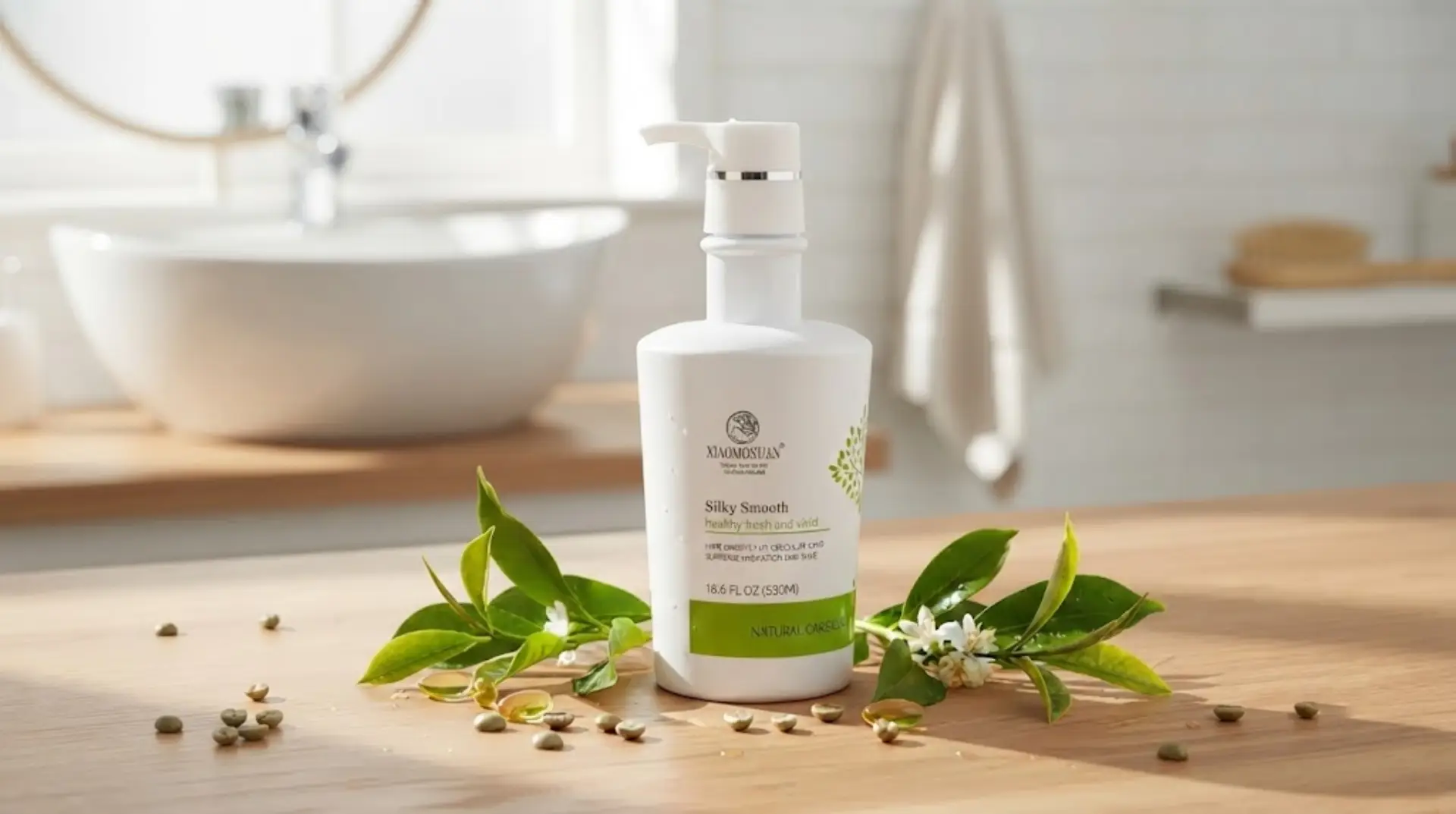
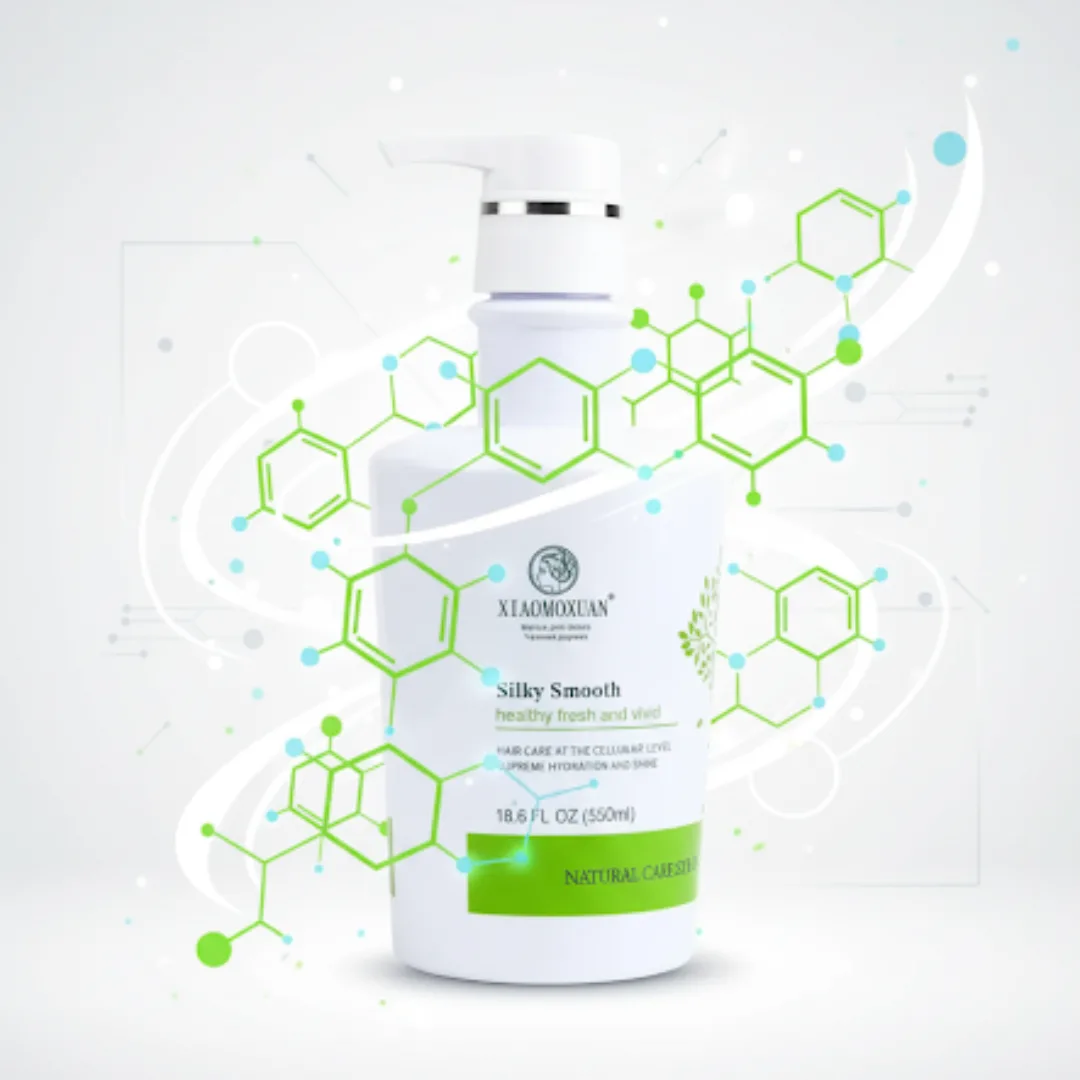
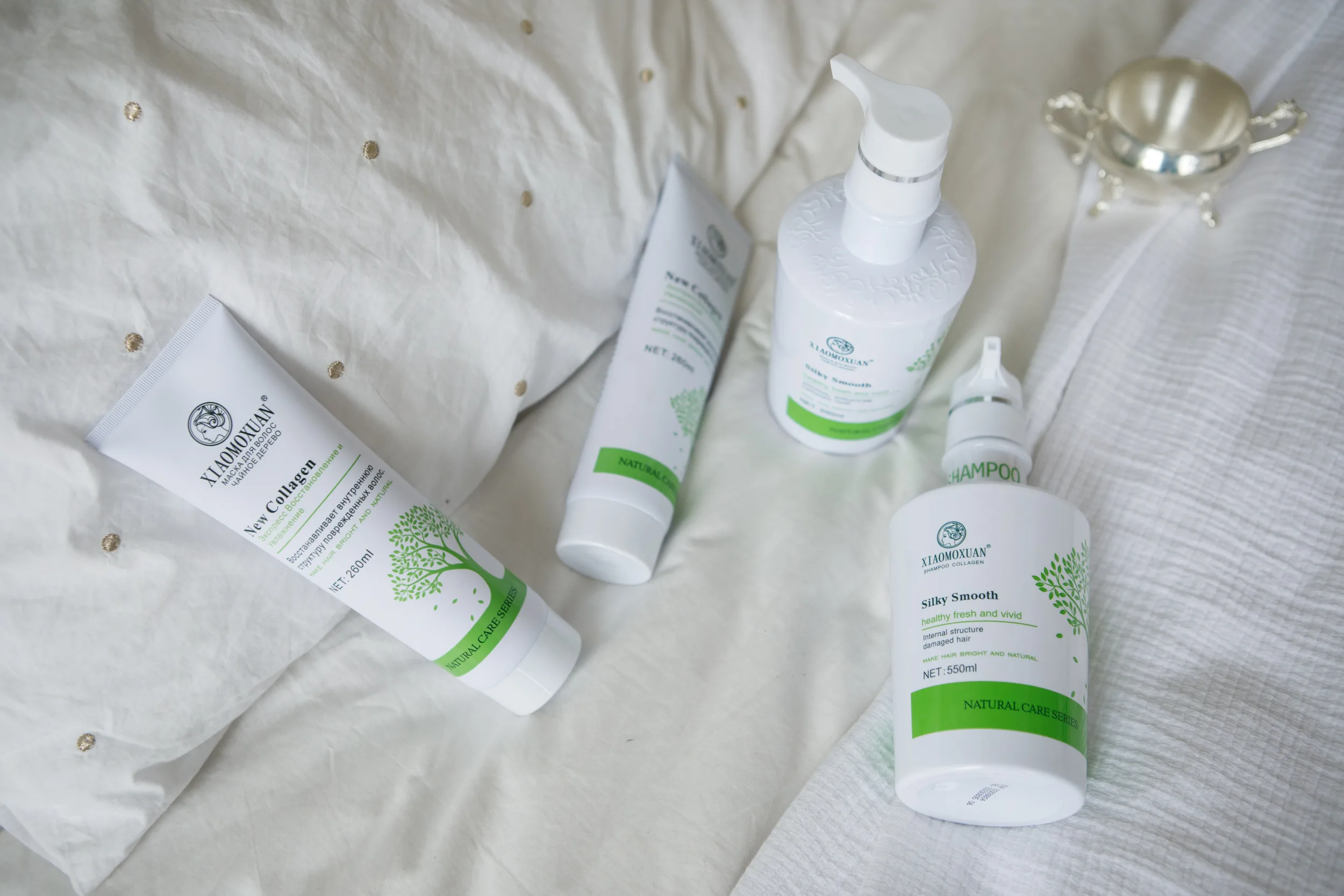
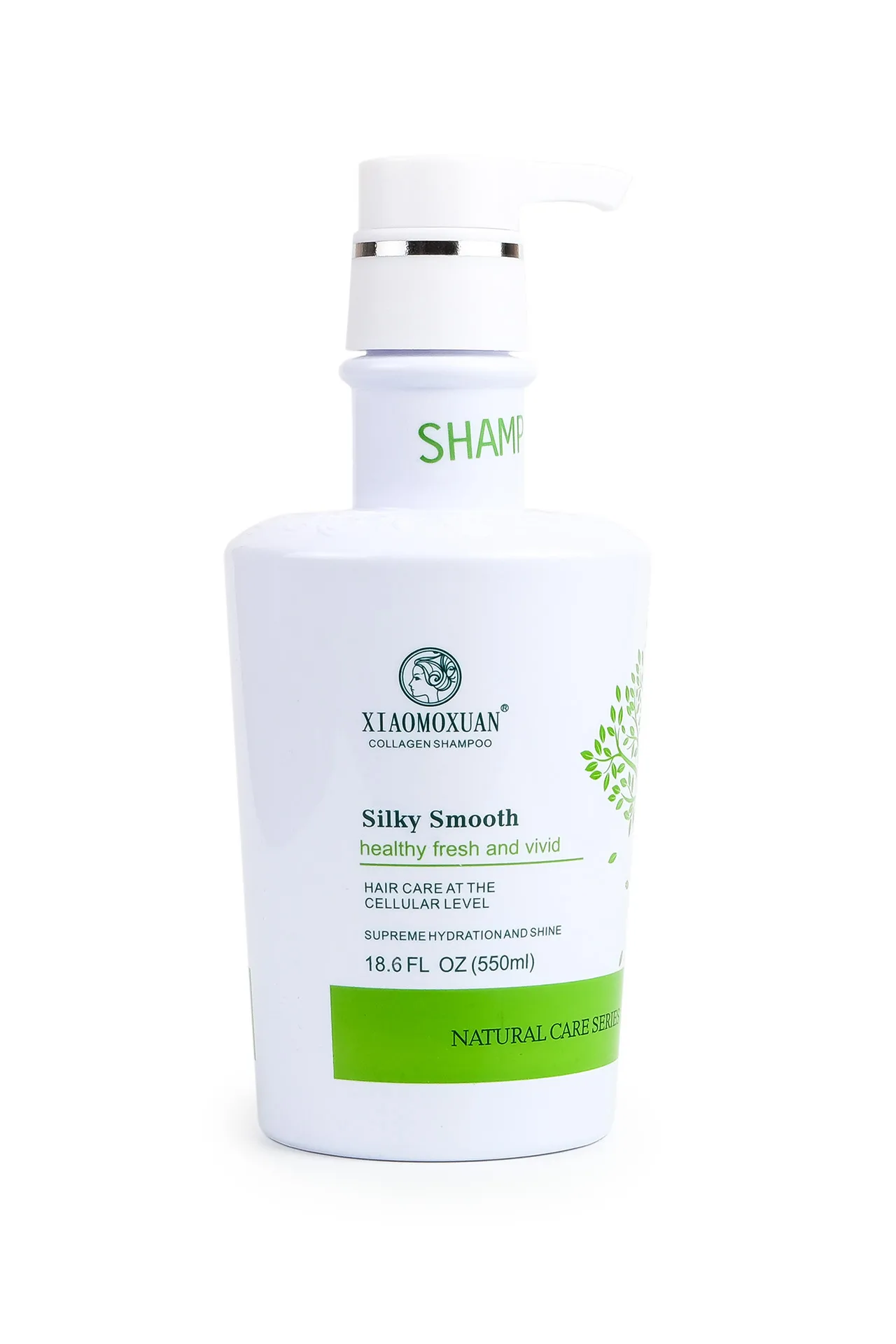
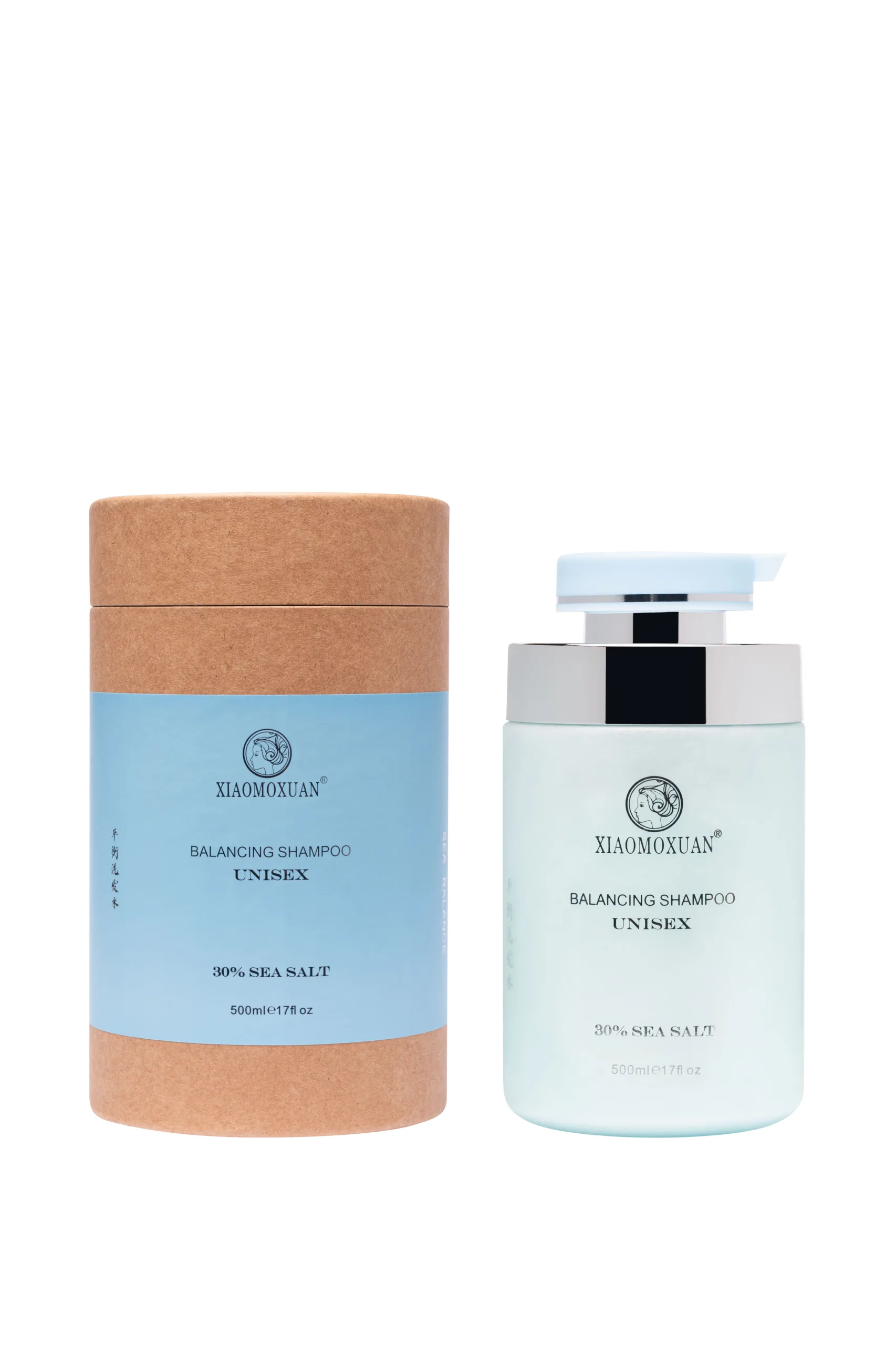
Fact: the real difference isn’t the absence of sulfates itself, but the specific active ingredients in the formula. Xiaomoxuan Silky Smooth uses tea tree extract to calm an irritated scalp; Sea Balance uses Selaginella Tamariscina extract, which holds moisture deeper in the hair shaft than surface conditioners do. No SLS, SLES, or parabens in either — that’s a baseline requirement, not a selling point on its own.
- Why it matters after keratin treatments: mild surfactants don’t break down the protein bonds a keratin treatment creates, so the smoothing effect lasts longer — unlike sulfate shampoos, which wash those bonds out with every use.
- Why the formula goes further per wash: a higher concentration of active ingredients means you need noticeably less product per wash than with a sulfate-based equivalent, which partly offsets the higher price per bottle.
What this means in practice
Switching to a sulfate-free shampoo is a change in habit, not an instant transformation. The first few washes can feel unfamiliar: less foam, a different feel right after rinsing. That’s a normal scalp adjustment phase, not a reason to go back to your old formula.
Xiaomoxuan Silky Smooth and Sea Balance are both built on mild surfactants with tea tree extract and amino acids — no SLS, SLES, or parabens. That matters most on coloured or keratin-treated hair, where harsh cleansing quickly undoes the results of a salon treatment.
Frequently Asked Questions About Xiaomoxuan Sulfate-Free Shampoos
Does sulfate-free shampoo really clean hair worse?
No, it cleans just as effectively — just without the heavy lather, which is a marketing effect of sulfates rather than a sign of cleanliness.
How long does it take the scalp to adjust to a sulfate-free shampoo?
Usually 2–4 weeks — that’s how long it takes the scalp to stop overproducing sebum in response to gentler cleansing.
Is sulfate-free shampoo suitable for oily hair?
Yes, if you choose a formula with sebum-regulating ingredients such as Cinchona Pubescens Bark Extract — the answer is picking the right formula, not going back to sulfates.
How are Xiaomoxuan formulas different from other sulfate-free brands?
By their specific active ingredients: tea tree extract in Silky Smooth and Selaginella Tamariscina extract in Sea Balance — not just the absence of sulfates, which is a baseline requirement rather than an advantage in itself.